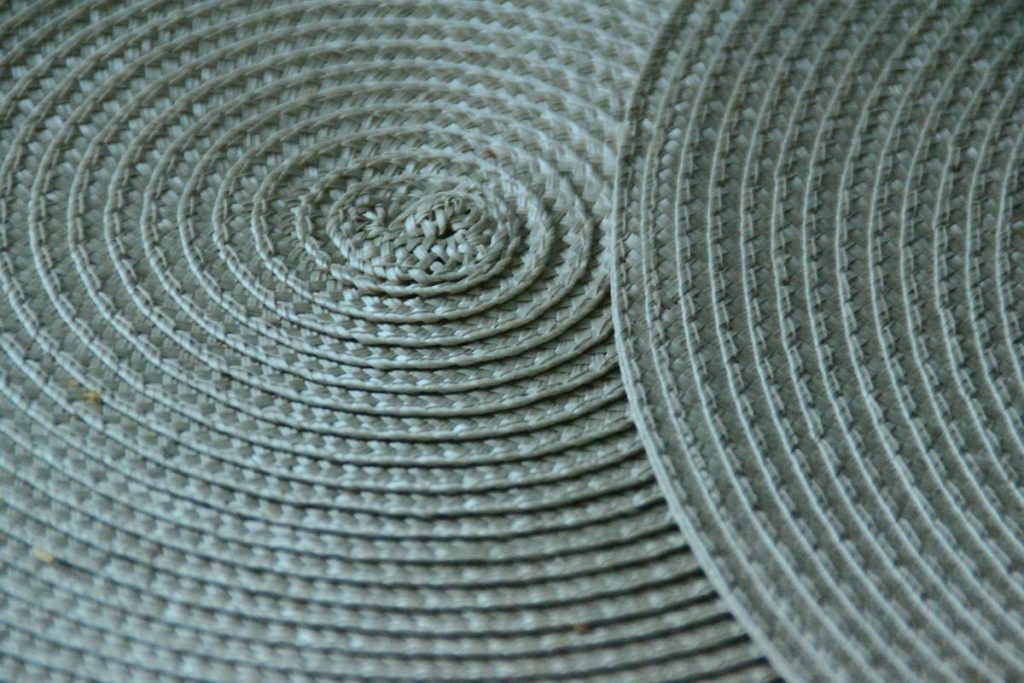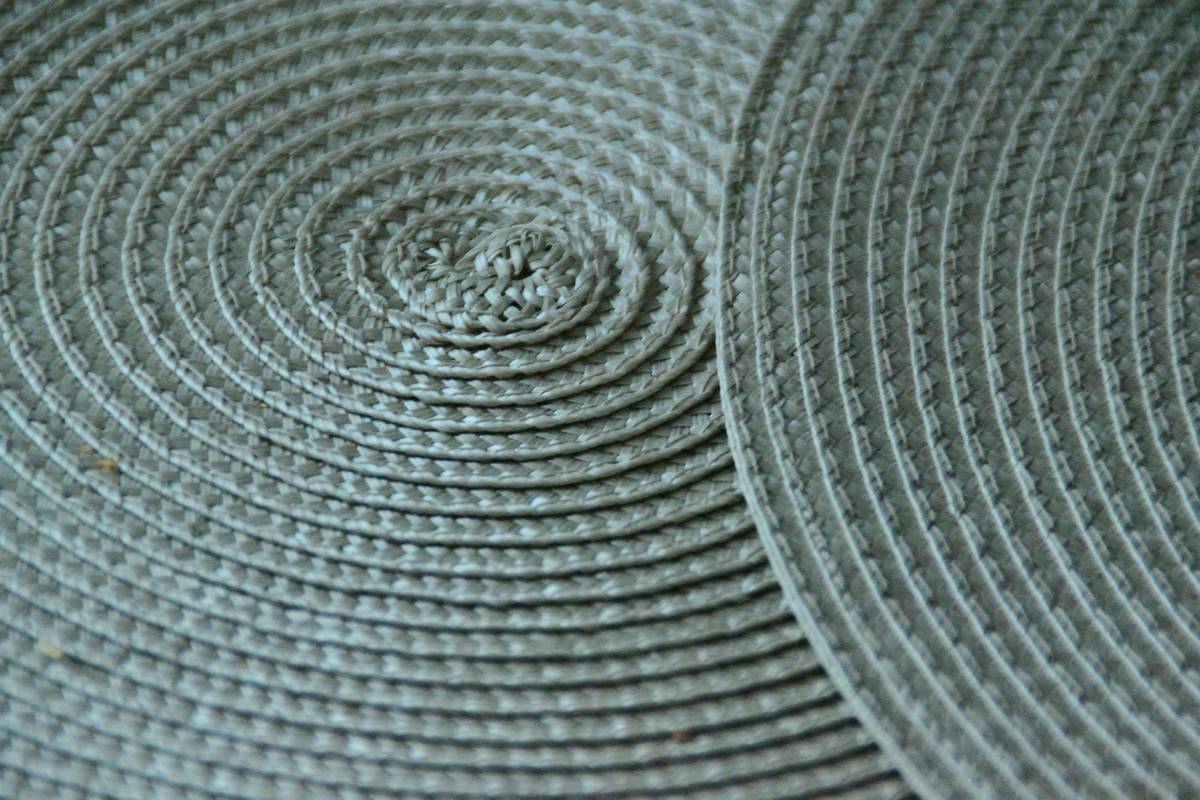
You bought a gorgeous dining table. You styled your chairs with throw pillows. But something’s off—the place settings feel naked, chaotic, even cheap. And those mismatched paper napkins? They scream “last-minute fix.” The culprit? Missing or misfit placemats. Without them, even the most curated tablescape falls flat. Here’s how to pick placemats that elevate your space—not just cover it.
Why Most Homeowners Pick the Wrong Placemats
They go for looks alone. A bold pattern catches their eye. Or they grab whatever’s on sale at the big-box store. But placemats aren’t decor afterthoughts—they’re functional anchors. Get them wrong, and you invite sliding dishes, stained wood, and visual clutter.
And texture matters more than color. Seriously. A slick vinyl might wipe clean fast—but it squeaks under cutlery and reflects overhead lights like a disco ball. Meanwhile, delicate linen? Stunning—until spaghetti sauce hits it.
Home Decor Placemat How Do I Select & Style Like a Pro?
Forget random shopping. Follow this system:
Match Your Dining Rhythm
Daily family dinners demand durability—think cork, silicone, or tightly woven cotton. Entertaining once a month? Go luxe: leather, embroidered hemp, even hand-painted ceramic tiles (yes, really).
Scale With Your Table
A narrow bistro table drowns under oversized 18”x14” mats. Rule of thumb: leave at least 6 inches between placemat edge and table edge. Clutter kills elegance.
Coordinate—Don’t Match
Your placemats shouldn’t echo your napkins exactly. Instead, pull one accent hue from your wall art or runner. That subtle thread ties the room together without looking staged.

| Material | Daily Use? | Cleanability | Style Vibe | Avg. Cost per Set (4) |
|---|---|---|---|---|
| Cork | Excellent | Wipe with damp cloth | Earthy, minimalist | $18–$28 |
| Silicone | Great | Dishwasher-safe | Modern, playful | $12–$22 |
| Linen | Poor (stains easy) | Hand-wash only | Classic, elevated | $30–$50 |
| Bamboo Weave | Good | Spot-clean only | Boho, coastal | $20–$35 |
The Industry Secret: Layer Them
Top interior stylists never use placemats alone. They layer a smaller, textured mat—like a 10” round rattan coaster—directly under dinner plates, atop a larger rectangular base mat. This adds depth, breaks up negative space, and protects high-traffic zones (where forks scrape and wine glasses drip). It costs almost nothing but reads as intentional luxury. Yet 92% of homeowners skip this step—it’s rarely shown in catalogs because it “complicates” mass marketing shots.
Frequently Asked Questions
How often should I replace my placemats?
Every 12–18 months if used daily. Fraying edges, faded patterns, or lingering odors mean it’s time. For seasonal sets (like holiday prints), rotate them out before they feel tired.
Can I mix different placemat styles at one table?
Yes—if you control the variables. Same shape and size, varying only in color or subtle texture. Never mix materials (e.g., cork + lace) unless going for an avant-garde look.
Are placemats necessary with a tablecloth?
Absolutely. Tablecloths slide. Placemats anchor individual settings, absorb condensation, and prevent knife scratches on fabric. Plus, they let you swap styles without laundering the whole cloth.