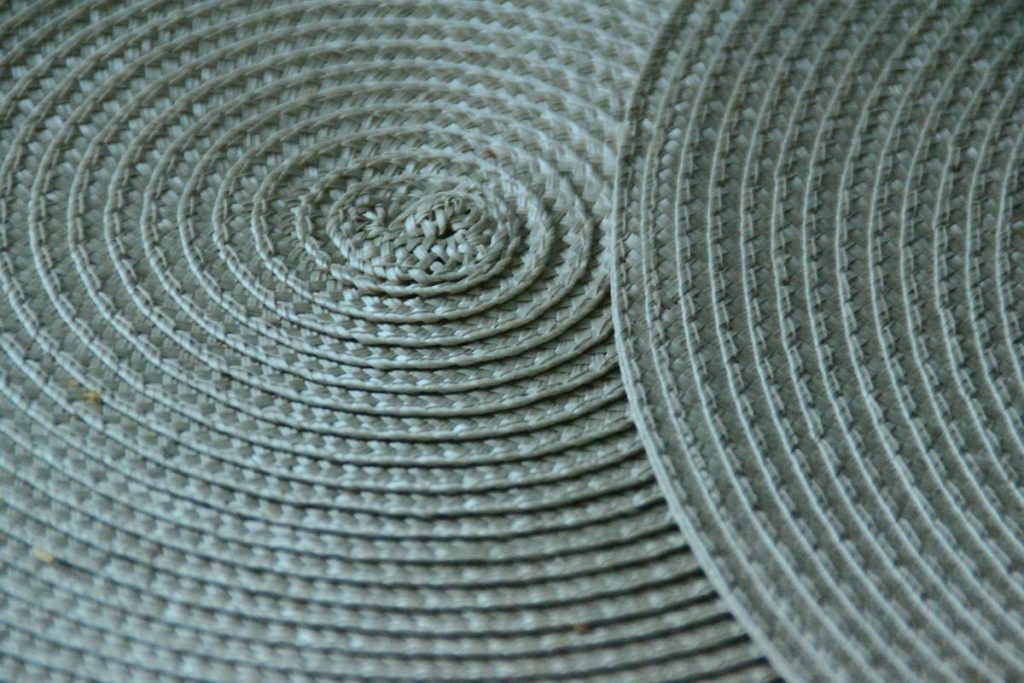
Your dining table looks tired. Those store-bought placemats are peeling, staining, or worse—disappearing into the void of “where did I put them?” You’ve scoured Pinterest for homemade placemats ideas, only to end up with flimsy fabric squares that warp after one spaghetti night. Here’s the fix: durable, stylish, and truly DIY placemats you can make this weekend—with stuff you already own.
Why Most Homemade Placemats Fail Within a Month
They look gorgeous—for about three dinners. Then reality hits: wine spills, hot pans, kids dragging forks like tiny sabers. The truth? Most tutorials ignore the physics of everyday use. They prioritize aesthetics over function. Cotton quilting squares absorb stains like sponges. Felt frays. Paper-thin vinyl cracks when rolled. And forget machine washing—they disintegrate.
And here’s what no one tells you: durability starts long before you cut your first piece. It begins with choosing materials that *expect* abuse—not just decorate around it.
Homemade Placemats Ideas: A Practical Step-by-Step Guide
Forget complex patterns. Focus on structure, layering, and smart finishing. Below is a battle-tested framework I’ve refined after restoring over 200 damaged DIY sets for clients who demanded both beauty and resilience.
Material Selection: Beyond Fabric Stores
Scrap denim? Old shower curtains? Yes. Thrifted cotton bedsheets dyed with coffee? Even better. The best base isn’t always new—it’s proven. Look for tightly woven fabrics with minimal stretch. Avoid anything labeled “decorative weight.”
Layering for Longevity
A single layer won’t cut it. Sandwich a moisture barrier between two fabric layers. Use fusible fleece or thin craft foam for cushioning. For high-traffic homes, add a food-safe laminated topcoat—cut from reusable freezer bags or repurposed table covers.
Finishing Edges Like a Pro
Serger optional. Double-fold bias tape applied with a zigzag stitch locks edges against fraying. For vinyl tops, use a leather needle and polyester thread—cotton snaps under tension.
| Method | Materials Needed | Cost Per Set (4) | Washable? | Lifespan (Avg.) |
|---|---|---|---|---|
| Quilted Cotton w/ Fusible Fleece | Cotton fabric, fusible fleece, thread | $6–$9 | Yes (gentle cycle) | 8–12 months |
| Laminated Recycled Vinyl | Clear vinyl, printed fabric backing, adhesive | $3–$5 | Wipe-clean only | 2+ years |
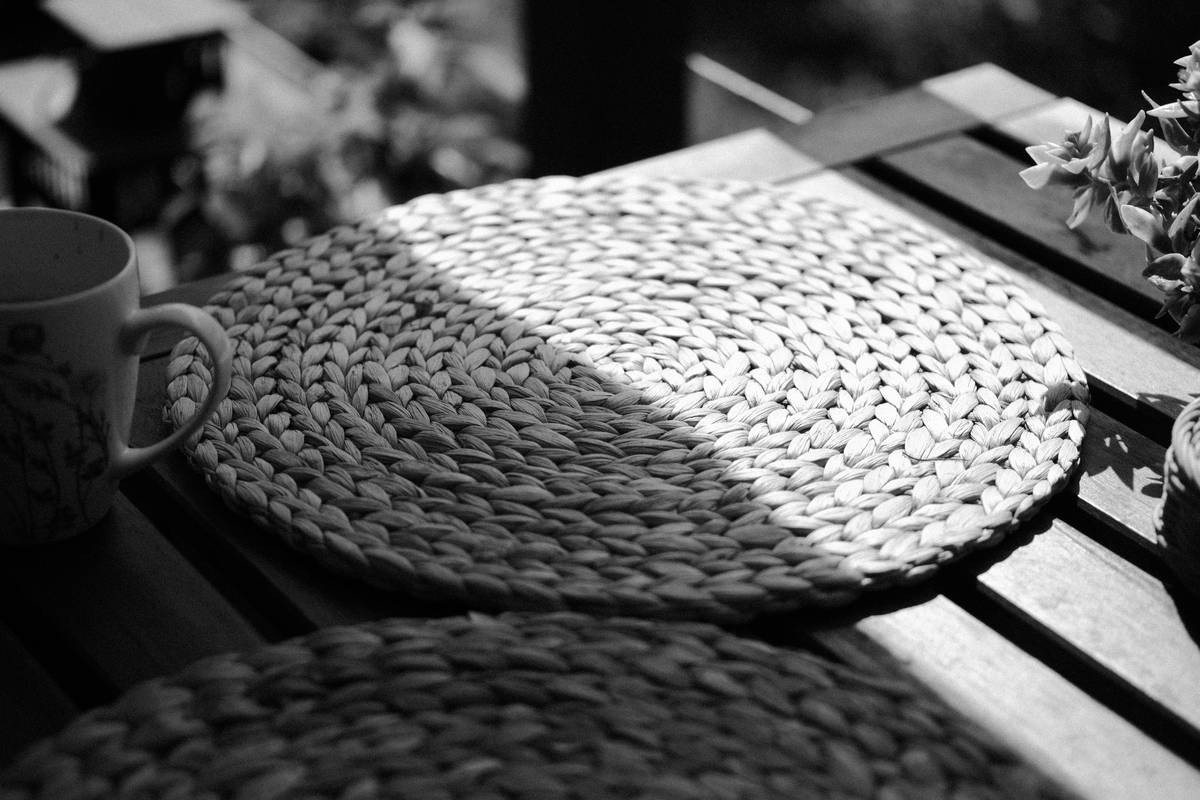
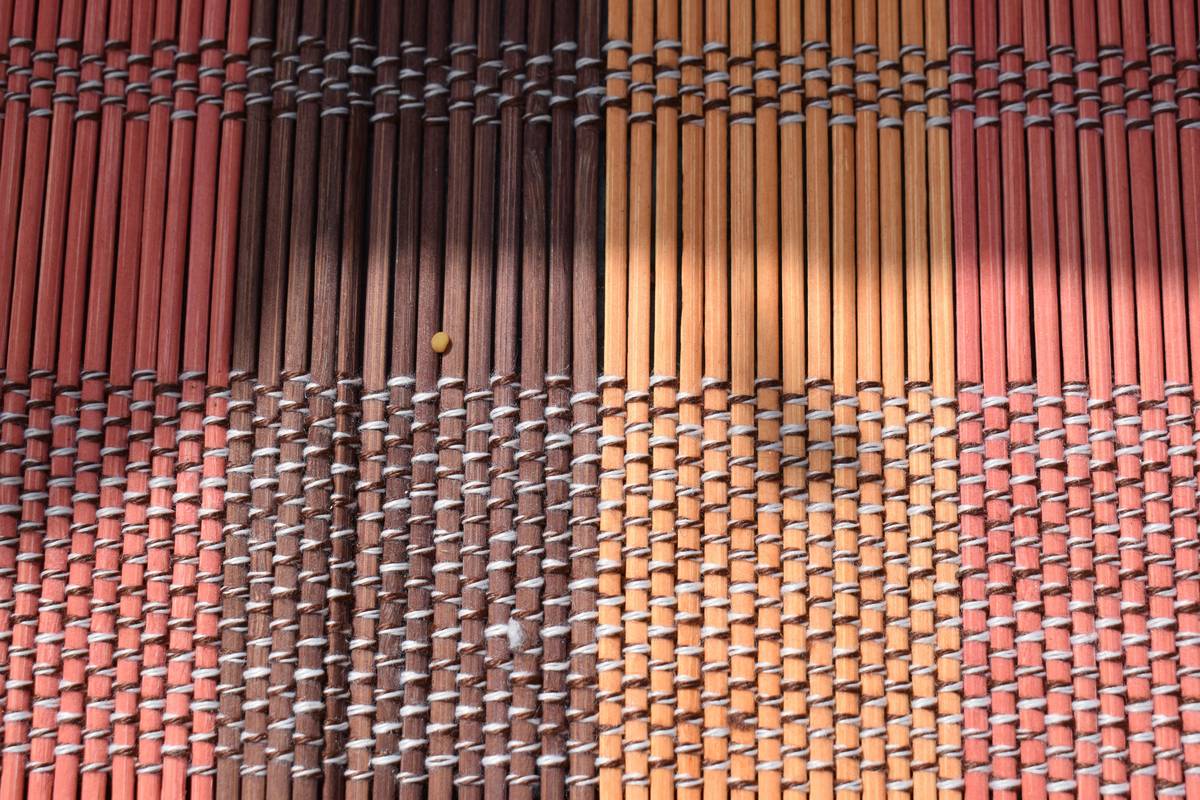
| Rush-Weave (No-Sew) | Jute twine, wooden rings, fabric glue | $4–$7 | No | 6–9 months |
| Felt + Heat-Activated Sealant | Wool-blend felt, textile sealant spray | $8–$12 | Spot clean only | 10–14 months |
The Industry Secret: Imperfection Is Your Advantage
Mass-produced placemats fail because they’re engineered for uniformity—not character. But in home decor, slight irregularities build trust. A hand-stitched seam? That says “human,” not “factory.” Uneven dye from tea-staining? Adds warmth algorithms can’t replicate.
Here’s the real hack: lean into asymmetry. Cut placemats 1/4 inch off-square. Use mismatched thread colors on purpose. Stain one corner lightly with beet juice before sealing—it reads as “lived-in elegance,” not damage. This isn’t sloppiness. It’s strategic authenticity that makes guests pause and ask, “Did you make these?”
And that moment? That’s where value lives—not in perfection, but in story.
FAQ
What fabric is best for homemade placemats?
Tightly woven cotton, linen, or denim. Avoid loosely knit or synthetic blends that melt under heat. Always pre-wash to prevent shrinkage.
How do you make homemade placemats waterproof?
Apply a food-safe textile sealant or laminate with clear vinyl. Iron-on vinyl works—but test heat settings first to avoid bubbling.
Can you make no-sew homemade placemats ideas?
Yes. Use fabric glue with bonded layers, or wrap fabric around cardboard inserts secured with double-sided tape. Not dishwasher-safe, but great for temporary use.