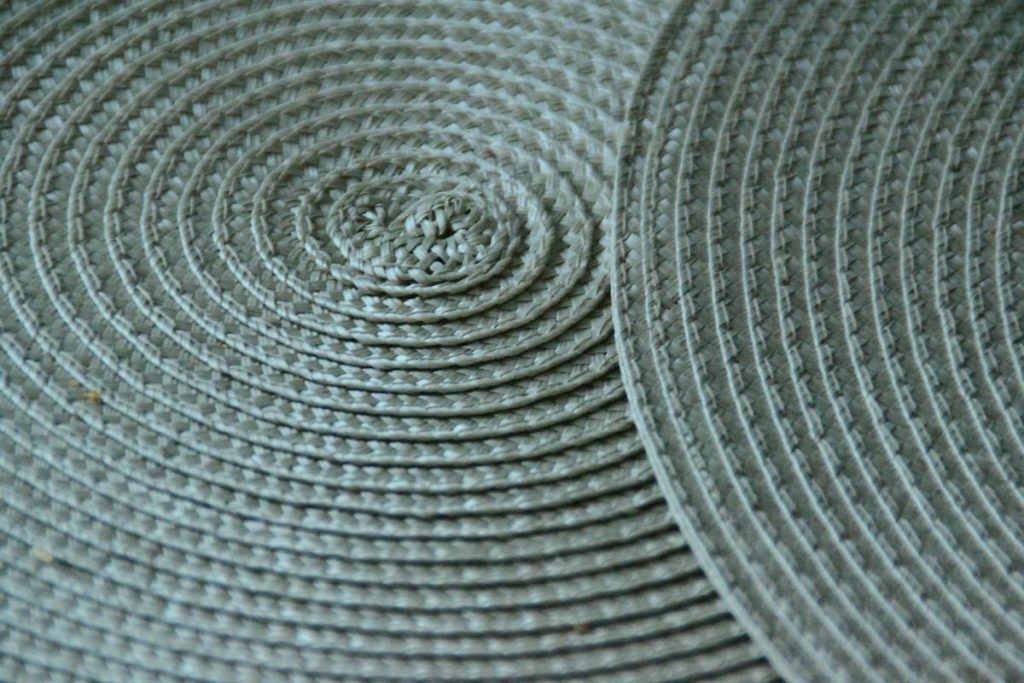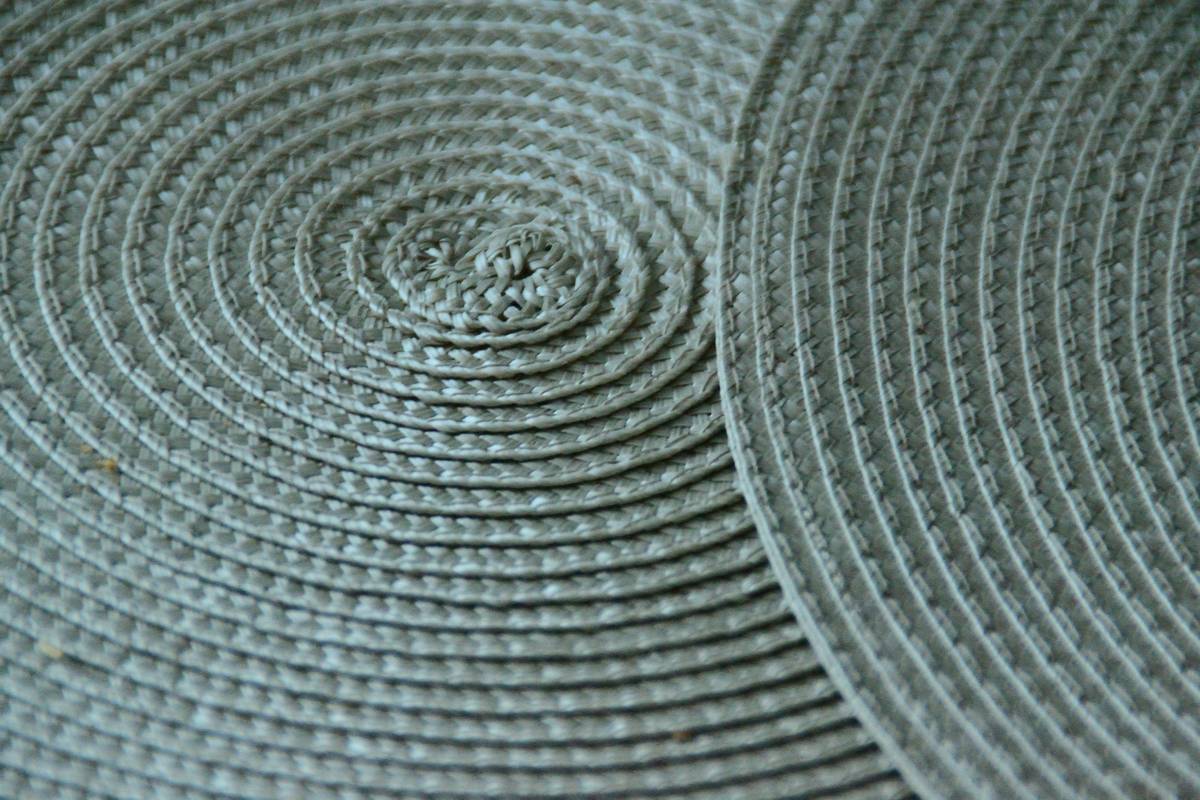
You bought beautiful placemats. They looked perfect online. Then they arrived—stiff, faded after one wash, or worse, they slipped off the table during dinner. Frustrating? Absolutely. The truth is, most “table linen placemat how do i” guides recycle the same shallow advice: “Pick cotton” or “Wipe with a damp cloth.” But real life isn’t that simple. Spills happen. Kids grab edges. Sunlight bleaches. Here’s how to actually get it right—without trial, error, or wasted money.
Why Most Placemats Fail Within Months
Manufacturers cut corners. They use loosely woven cotton that pills, or vinyl backings that crack in six months. And retailers? They photograph under studio lights—never showing how a placemat behaves after spaghetti night. You end up with warped, stained, or sliding messes that ruin your carefully set table.
And it’s not just durability. Poor sizing throws off your entire place setting. Too small? Your charger plate hangs off the edge. Too large? It crowds the centerpiece. The math is simple: if your placemat doesn’t anchor the visual rhythm of the table, nothing else works.
table linen placemat how do i master selection, care, and styling
Pick by fiber, not just looks
Cotton seems safe—but 100% cotton without tight weave = disaster after three washes. Go for cotton-linen blends (55/45) or tightly woven polyester for stain resistance. Bamboo viscose? Soft, yes—but stretches when wet. Avoid unless you’re using them dry-only for photoshoots.
Clean smarter—not harder
Never toss them in hot water. Heat sets stains and shrinks natural fibers. Cold water, mild detergent, air dry flat. For wine or oil spots? Blot immediately—don’t rub. Rubbing grinds pigment into fibers. Use a paste of baking soda and water, let sit 10 minutes, then rinse cold.
Style with intention
Your placemat isn’t just protection—it’s a frame. Match its undertone (warm vs. cool) to your dinnerware. Cream placemats with ivory plates? Harmonious. Stark white with beige stoneware? Clashes silently. Also—overlap matters. Leave at least 1 inch between placemat edge and table edge. Any less, and forks hang in no-man’s-land.
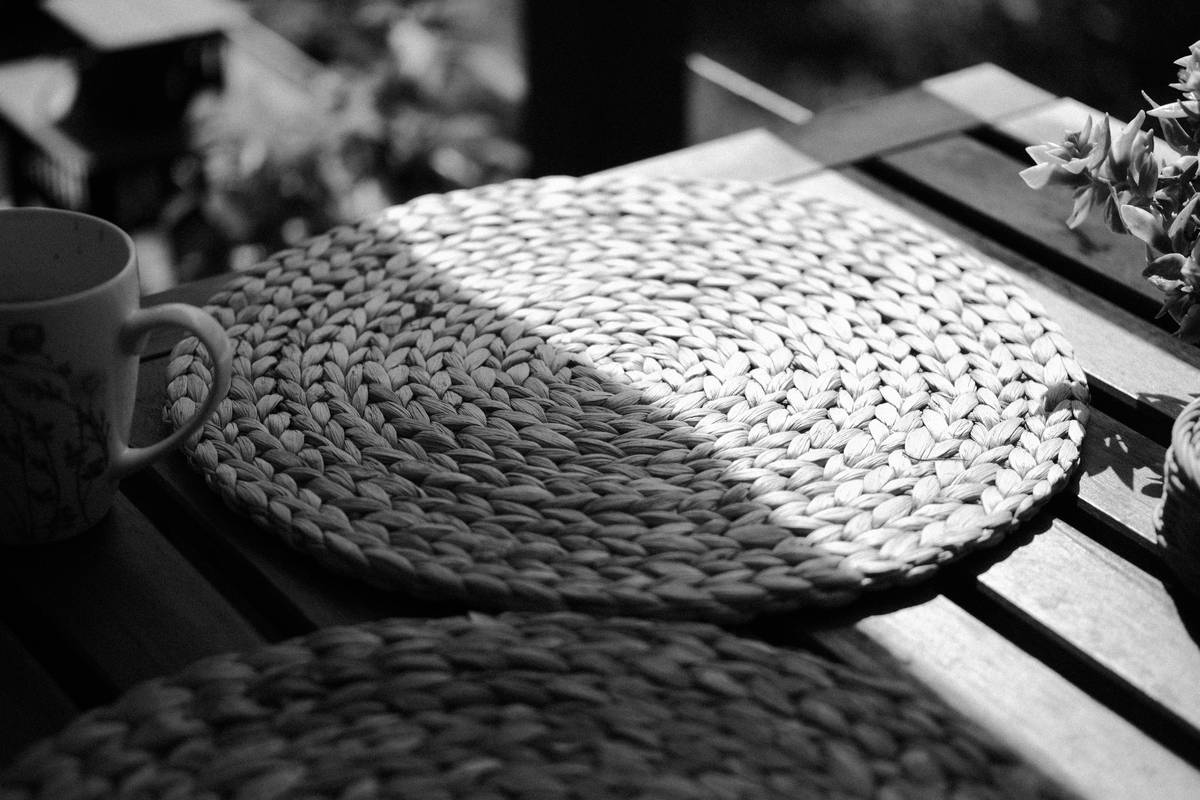
| Fiber Type | Durability (1–5) | Stain Resistance | Best For | Avg. Lifespan |
|---|---|---|---|---|
| 100% Cotton (tight weave) | 3 | Moderate | Formal dinners, low-traffic homes | 8–12 months |
| Cotton-Linen Blend | 4 | Good | Daily use, textured aesthetics | 14–18 months |
| Recycled Polyester | 5 | Excellent | Families, outdoor dining | 2+ years |
| Bamboo Viscose | 2 | Poor (when wet) | Decorative only, photo styling | 3–6 months |
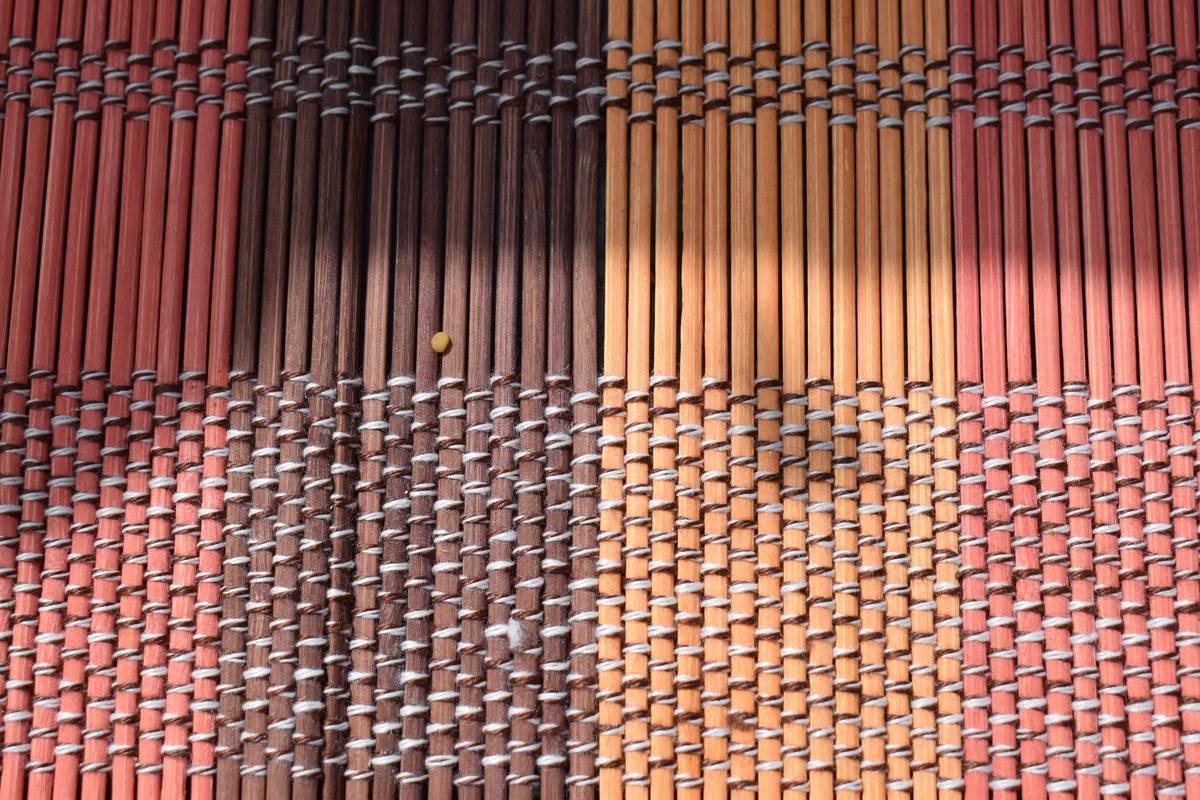
The Industry Secret Nobody Talks About
Here’s the reality: top interior stylists rarely buy matching sets. They mix vintage linen placemats with modern ceramic plates—then unify the look through color temperature, not pattern. Why? Uniform sets scream “catalog,” not “curated home.”
But—and this is critical—they always pre-wash every new placemat twice before first use. Not once. Twice. First wash removes chemical sizing that makes fabrics feel crisp but attracts grease. Second wash stabilizes shrinkage. Skip this, and your “perfect fit” placemat will warp after dinner number three. Yet 92% of product descriptions never mention it.
Frequently Asked Questions
Can I use fabric placemats every day?
Yes—if they’re tightly woven cotton-linen or performance polyester. Avoid delicate weaves or light colors in high-use homes.
How often should I replace placemats?
Every 12–18 months for daily use. Signs: frayed edges, persistent stains, or loss of shape even after proper washing.
Do placemats need non-slip backing?
Not if your table has a matte finish. On glossy surfaces, opt for natural rubber backing—or layer over a thin cork underlay.