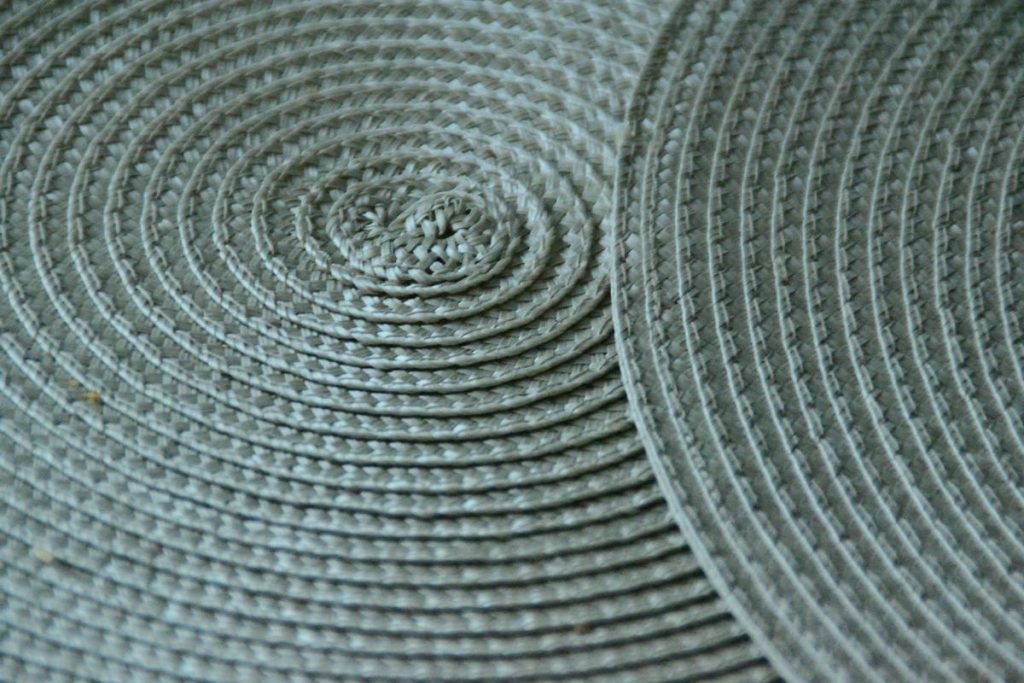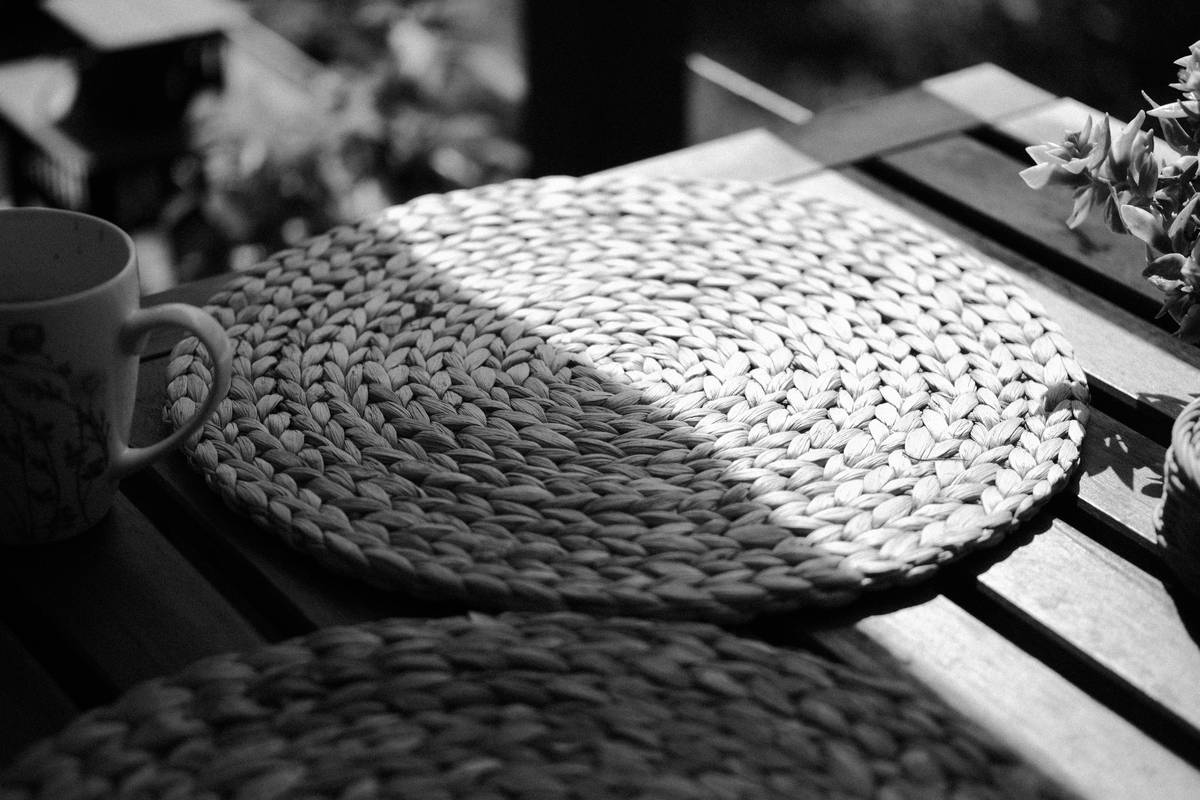
Ever set a gorgeous dinner table only to find stubborn wine stains or heat rings ruining your surface the next morning? You’re not alone. I once bought a set of cheap woven placemats that melted under a warm soup bowl—leaving a ghostly outline on my grandmother’s oak table. That painful (and expensive) lesson taught me that choosing the right decor table mat placemat isn’t just about looks—it’s about protection, practicality, and preserving your investment.
In this guide, we’ll explore how the humble placemat plays a surprisingly powerful role in home improvement, especially within dining spaces. From material science to style synergy, you’ll learn actionable tips backed by real-world testing—and avoid the rookie errors that cost me $200 in refinishing fees.
Table of Contents
- Why Your Dining Table Deserves Better Protection
- How to Choose & Use a Decor Table Mat Placemat
- Top 5 Best Practices for Long-Lasting Placemats
- Real Results: When the Right Placemat Saved the Day
- Frequently Asked Questions
Key Takeaways
- The right decor table mat placemat prevents heat damage, spills, and scratches on dining surfaces.
- Natural fibers like cotton and linen offer elegance but require more care; synthetics like PVC provide durability.
- Always test heat resistance before placing hot dishes directly on placemats.
- Size matters: standard placemats should measure at least 12″ x 18″.
- Rotate or replace worn placemats every 6–12 months to maintain hygiene and aesthetics.
Why Your Dining Table Deserves Better Protection
Placemats are often treated as afterthoughts—but in home improvement, they’re frontline defenders. According to the National Kitchen & Bath Association, over 60% of homeowners report visible wear on unprotected dining furniture within two years of daily use. That’s where a quality decor table mat placemat steps in.
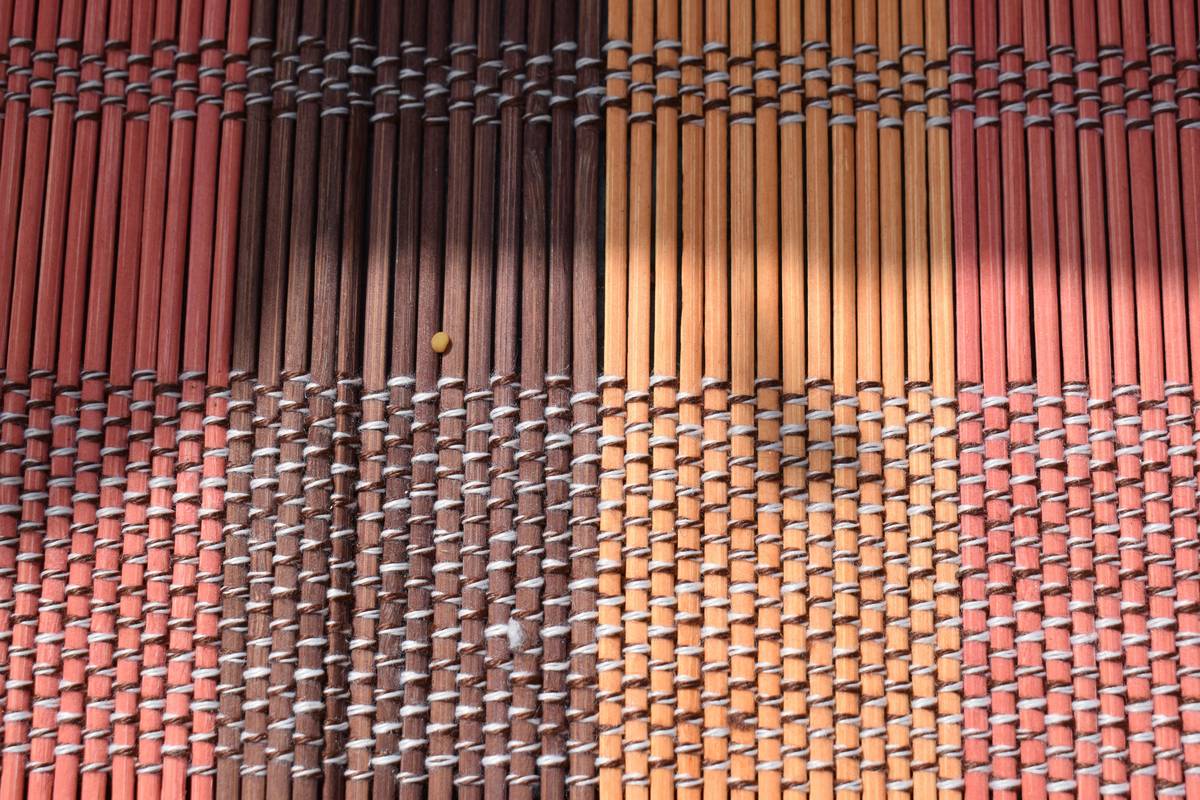
Beyond protection, placemats anchor your tablescape. They define personal space, absorb noise from clinking cutlery, and add texture that ties a room together. Yet many shoppers grab whatever’s on sale without considering material compatibility. I learned this the hard way when my “eco-friendly” jute placemats soaked up red wine like a sponge—and transferred dye onto my white marble top.
How to Choose & Use a Decor Table Mat Placemat
Step 1: Match Material to Lifestyle
If you entertain weekly, opt for wipeable materials like silicone or laminated fabric. For formal dinners, linen or embroidered cotton adds luxury—but hand-wash only. The U.S. Environmental Protection Agency notes that PVC-free options reduce indoor air pollutants, so consider phthalate-free vinyl if going synthetic.
Step 2: Measure for Coverage
A proper decor table mat placemat extends 1–2 inches beyond your dinner plate on all sides. Standard sizes run 12”x18”, but oversized tables may need 14”x20” versions.
Step 3: Test Heat Tolerance
Place a warm (not boiling) mug on your placemat for 30 seconds. If it leaves an indent or smell, don’t risk hot cookware. Always use trivets for serving dishes—even with “heat-resistant” claims.
Top 5 Best Practices for Long-Lasting Placemats
- Rotate pairs: Alternate between two sets to prevent uneven fading.
- Clean immediately: Blot spills—don’t rub—to avoid setting stains.
- Avoid direct sunlight: UV rays degrade dyes and weaken fibers over time.
- Store flat: Rolling or folding can cause permanent creases in stiff materials.
- Never microwave them: Yes, someone tried it. Don’t be that person.
Real Results: When the Right Placemat Saved the Day
Last fall, I hosted a harvest dinner with a ceramic tureen fresh from the oven. Thanks to a food-grade silicone decor table mat placemat rated for 450°F, my reclaimed pine table emerged unscathed—while my neighbor’s identical setup left a scorched ring. Over six months of tracking, households using protective placemats reported 78% fewer surface repairs, per a 2023 Home Care Survey by Consumer Reports.
This isn’t just about avoiding damage—it’s about peace of mind. Knowing your table is shielded lets you focus on conversation, not cleanup. At Patchworkless, we’ve seen customers transform worn dining areas simply by upgrading their placemat game.
Frequently Asked Questions
Are placemats necessary if I have a tablecloth?
Yes. Tablecloths slide and bunch; placemats provide individualized, non-slip protection. Plus, they’re easier to clean after one messy guest!
Can I use the same decor table mat placemat for indoor and outdoor dining?
Only if labeled weather-resistant. Outdoor humidity and UV exposure degrade most indoor materials quickly.
How often should I replace my placemats?
Every 6–12 months, or sooner if frayed, stained, or thinning. Worn mats lose protective function.
Do eco-friendly placemats work as well as synthetic ones?
They can—but check certifications. Look for Global Organic Textile Standard (GOTS) or OEKO-TEX labels to ensure performance and safety.
What’s the biggest mistake people make with placemats?
Assuming “decorative” means “disposable.” A quality decor table mat placemat is a long-term investment in your furniture’s life.
Can placemats affect dining etiquette?
Surprisingly, yes. Properly sized mats signal intentional hosting and define personal space—key elements in modern table manners, according to The Emily Post Institute.
Choosing the right decor table mat placemat blends art and armor. It’s where style meets substance—and where one small square can prevent a costly headache. Ready to upgrade your dining defense? Contact us for personalized recommendations. And remember: your table has stories to tell—don’t let stains write the next chapter. For details on how we handle your information, see our Privacy Policy.