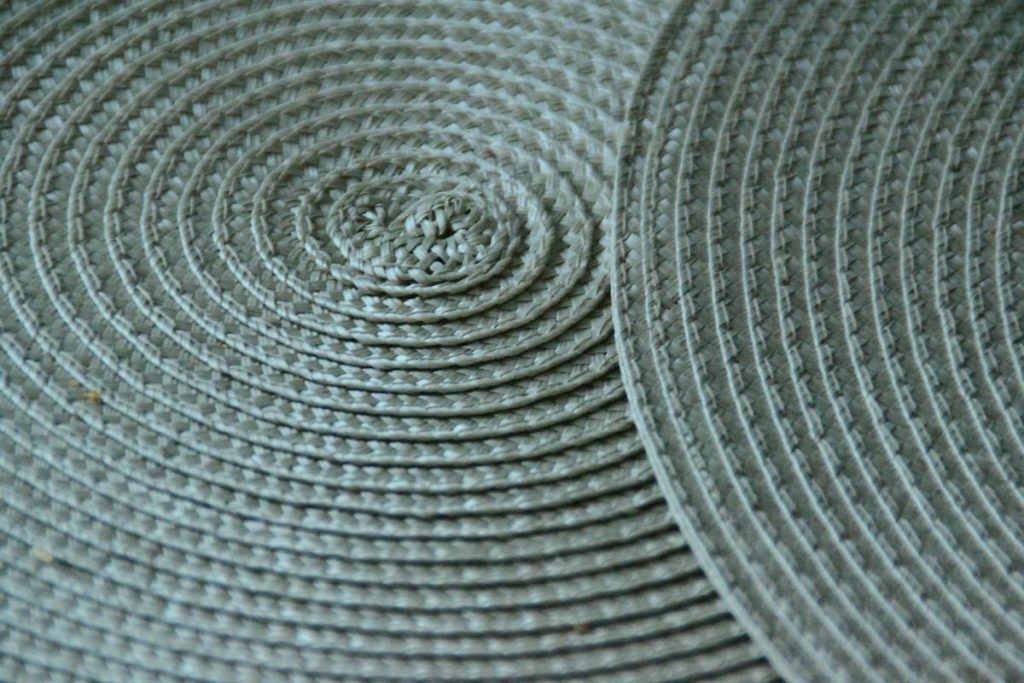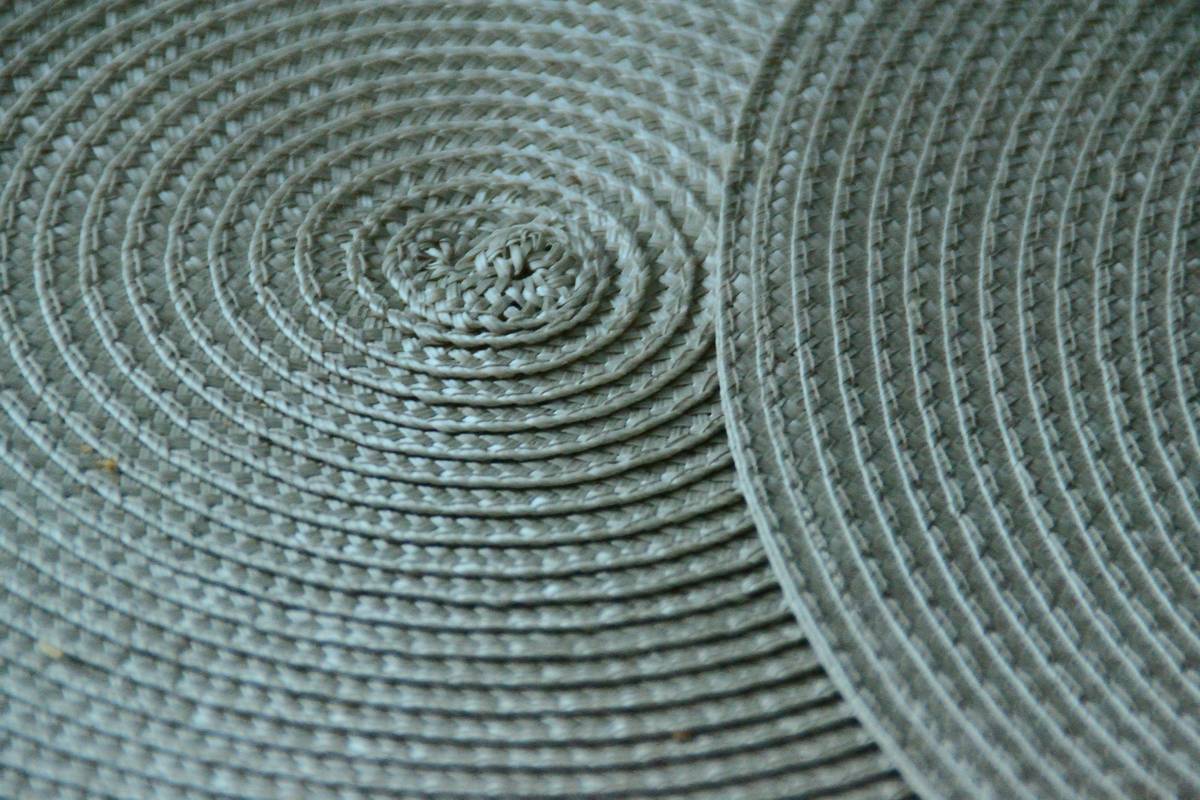
Your dining table looks tired. Not dirty—just lifeless. Those paper rings from takeout coffee? Still there. The same scratched wood grain staring back at every meal? Yeah. And yet, you’ve spent hundreds on centerpieces that vanish after one dinner party. Here’s the fix most designers won’t admit: fabric placemats home decor isn’t just practical—it’s your fastest path to a curated, lived-in luxury.
Why Generic Table Protection Fails Miserably
Most people treat placemats like coasters with commitment issues. They grab vinyl because it wipes clean. Or woven rattan for “texture.” Then wonder why their table still feels cold, corporate, or like a cafeteria. The issue? Material choice without intention.
Fabric placemats absorb sound—literally softening the clatter of cutlery. They add dimension through drape and fold. And unlike rigid options, they age gracefully, gaining character instead of cracks. But—and this is critical—not all fabrics belong on the table.
How to Choose & Use Fabric Placemats That Actually Elevate Your Space
Step 1: Match Fabric Weight to Your Lifestyle
Daily dinners with kids? Go medium-weight cotton-linen blend. Spills happen—but breathability matters more than you think. Host weekend brunches only? Try lightweight chambray. It drapes like silk but launders like denim.
Step 2: Coordinate—Don’t Match—Your Existing Palette
Exact color matching kills depth. Instead, pull one accent hue from your wall art or rug. A rust thread in an oatmeal base? Perfect. Subtle contrast builds visual tension without chaos.
Step 3: Layer Strategically (Yes, Layer)
Place a thin linen mat beneath a stoneware charger. The fabric grounds the ceramic, preventing that “floating plate” effect. It’s a pro move that costs less than $20 but reads as custom styling.
| Fabric Type | Durability | Care Difficulty | Best For |
|---|---|---|---|
| Cotton-Linen Blend | High | Low (machine washable) | Daily use, families, casual elegance |
| Heavyweight Linen | Very High | Moderate (may require ironing) | Dinner parties, minimalist tables |
| Quilted Cotton | Medium | Low | Cozy breakfast nooks, rustic decor |
| Silk-Blend (Decorative Only) | Low | High (dry clean only) | Special occasions, styled vignettes |
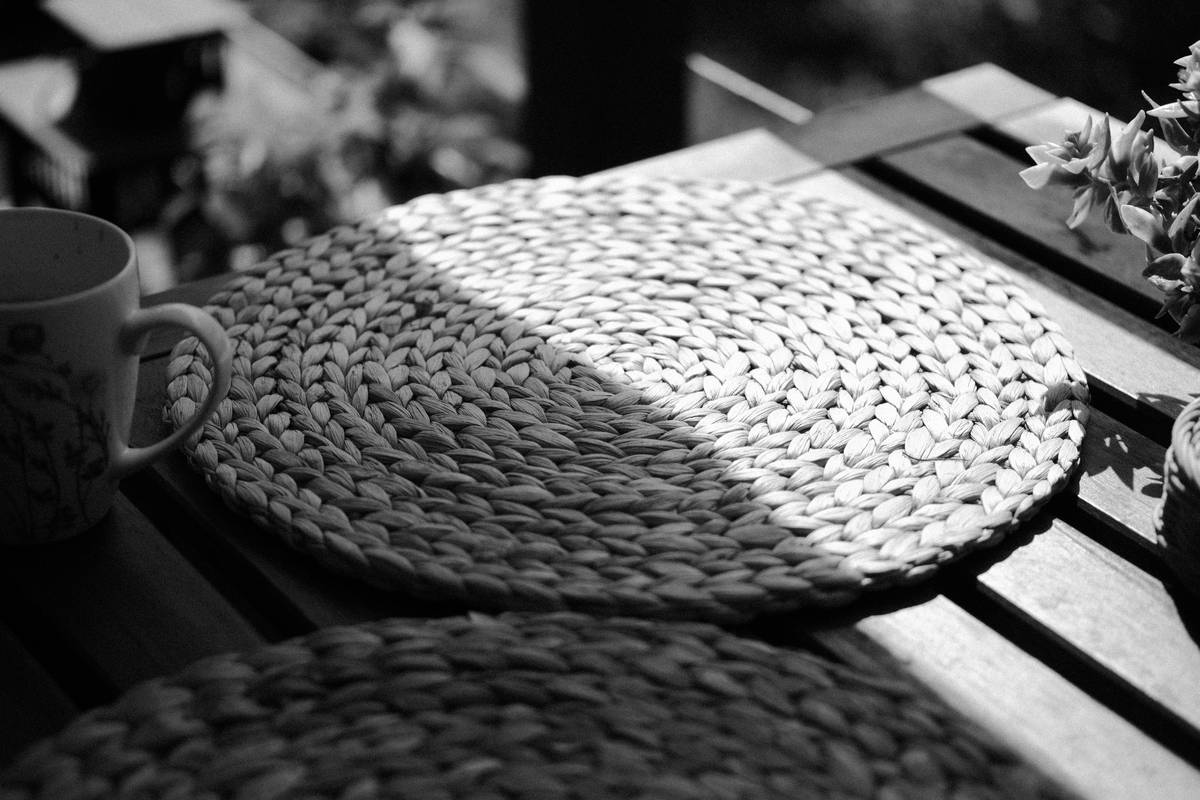
The Industry Secret: Fabric Placemats Are Styling Multipliers
Top interior stylists don’t wait for a full table refresh. They rotate placemats seasonally—light indigo in summer, moss green in fall—to signal change without repainting or reupholstering. One designer I worked with keeps 12 sets in labeled bins. Swaps them every six weeks. Clients think she redesigned the whole room.
Here’s the math: A $45 set of fabric placemats used weekly = under $1 per impression of elevated taste. Compare that to $800 chairs you barely notice after month two. The placemat is the unsung hero of spatial storytelling—quiet, adaptable, always working.
Frequently Asked Questions
Are fabric placemats hard to clean?
Not if you choose pre-washed cotton or linen blends. Toss them in cold water with mild detergent. Air dry to prevent shrinkage. Avoid bleach—it kills fibers fast.
Can I use fabric placemats with hot dishes?
Use trivets for anything straight from the oven. Most fabric placemats protect against warm plates but not direct heat. Layering over a cork backing adds thermal buffer without sacrificing style.
Do fabric placemats go out of style quickly?
Neutral solids and subtle textures never trend out. Skip loud prints. Invest in earth tones, undyed weaves, or softly brushed finishes—they last years, not seasons.