You bought beautiful dinnerware. You hung chic wall art. But your dining table still feels… flat. Cold. Unfinished. And every time you set the table, something’s missing—something subtle yet essential. Here’s the fix most overlook: the home decor table placemat. Not just for spill protection—it’s a silent design amplifier.
Why Generic Placemats Sabotage Your Space
Most homeowners grab whatever’s on sale at the big-box store—thin vinyl rectangles with zero personality. They slide around. They clash with plates. They scream “temporary.” Worse—they vanish visually, doing nothing for your room’s rhythm. A placemat should anchor your place setting like a gallery frame anchors art. If it doesn’t contribute to mood, texture, or color flow, it’s dead weight.
And here’s the irony: people spend thousands on tables but flinch at $12 for intentional placemats.
How to Choose & Style a home decor table placemat That Actually Elevates Your Room
Forget matching sets. Think contrast, layering, and material intelligence. Your placemat isn’t just functional—it’s a micro-canvas.
Match Texture, Not Color
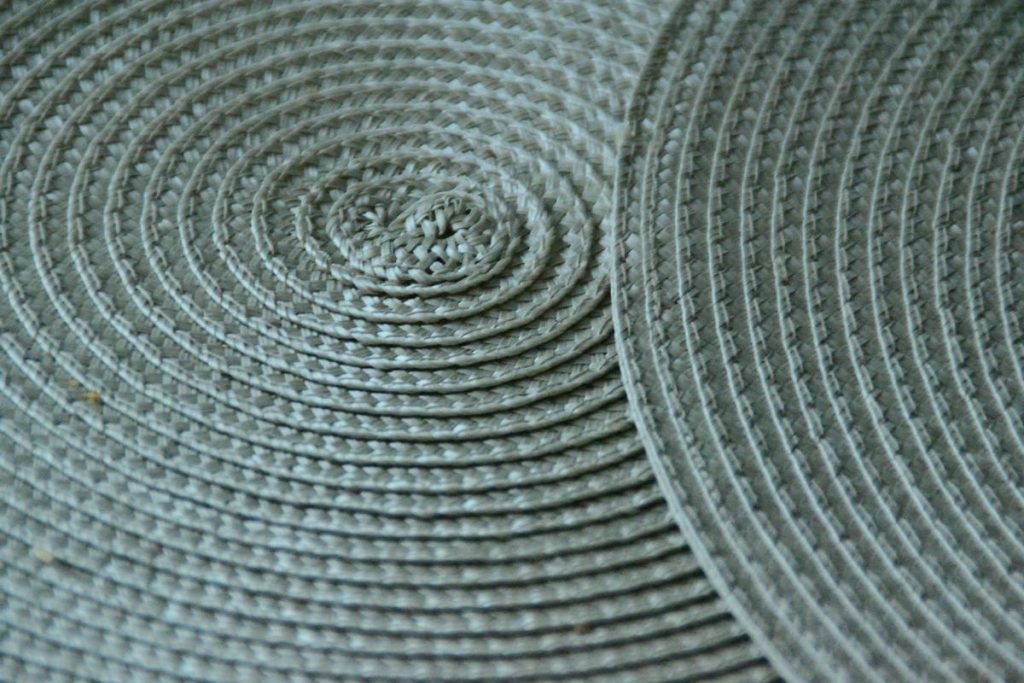
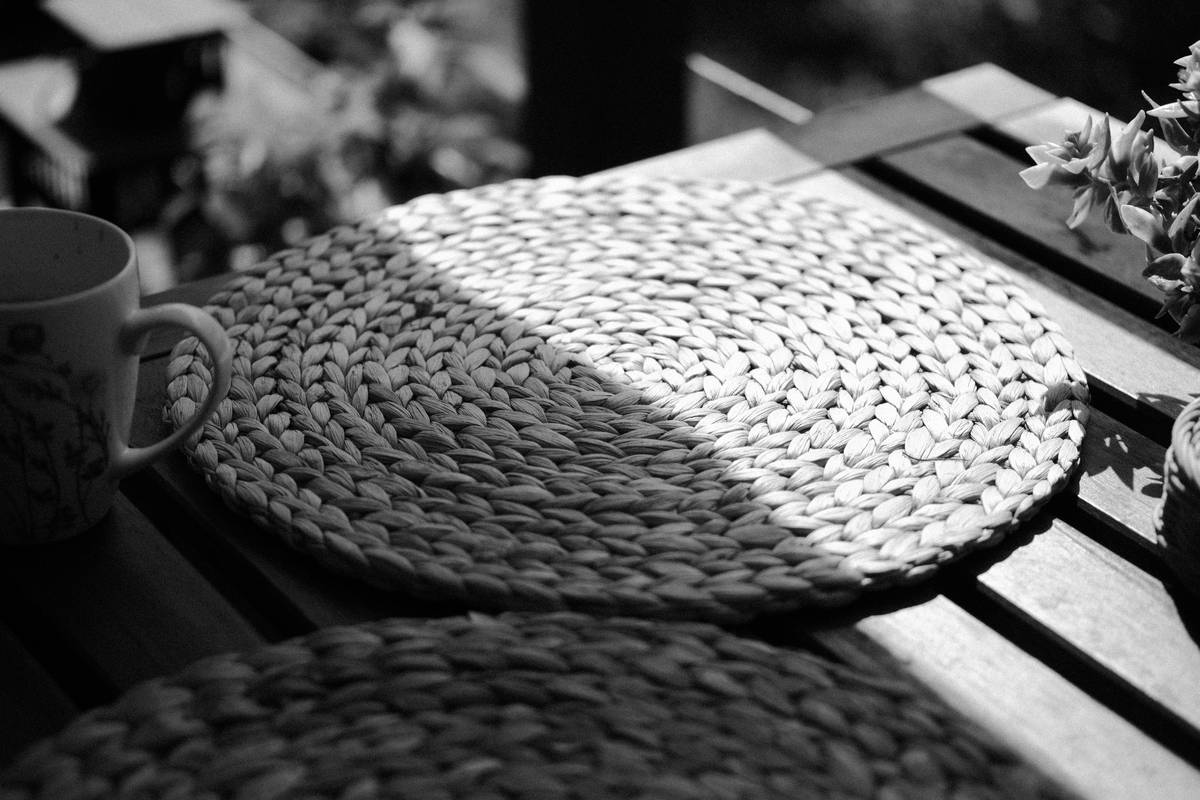
A rattan placemat under stoneware? Yes. Linen beneath ceramic? Absolutely. But avoid exact color matches—they flatten dimension. Instead, pull one hue from your plate and echo it in the mat’s weave or print.
Size Matters More Than You Think
Too small? Looks timid. Too large? Overwhelming. The sweet spot: 14”x19”. Gives breathing room around standard dinner plates without crowding neighboring settings.
Rotate Seasonally (Seriously)
Your summer table shouldn’t feel like December. Swap out mats like you do throw pillows. Woven jute for spring, moody velvet for fall—a $30 seasonal switch renews your entire dining vibe.

| Material | Durability | Style Impact | Care Difficulty | Best For |
|---|---|---|---|---|
| Cork | High | Earthy, modern | Low (wipe only) | Everyday minimalist tables |
| Linen | Medium | Soft, luxe | Medium (hand-wash preferred) | Formal or romantic dinners |
| Silicone | Very High | Clean, contemporary | Very Low (dishwasher safe) | Families with kids/pets |
| Bamboo Weave | Medium-High | Boho, organic | Medium (no soaking) | Coastal or farmhouse aesthetics |

The Industry Secret: Placemats Are Spatial Anchors
Interior designers don’t just pick placemats for looks—they use them to manipulate perceived space. In a narrow dining nook? Use darker, rectangular mats to elongate sightlines. Round table in a cavernous room? Opt for oversized circular mats to create intimacy. This spatial trick costs less than a rug but works harder. Yet 95% of retail shoppers never consider it. They’re buying coasters when they need composition tools.
Think about it: your placemat defines negative space. Ignore that, and your table feels chaotic—even if everything’s tidy.
Frequently Asked Questions
Are placemats still in style for modern homes?
Absolutely—if chosen intentionally. Skip plastic prints. Go for natural fibers or tonal solids that complement, not compete.
Can I mix different placemat styles at one table?
Yes—but keep one constant: either material, shape, or dominant color. Variation within unity creates curated energy.
How often should I replace my home decor table placemat?
When edges fray, stains set, or they no longer align with your current aesthetic—not on a calendar schedule.