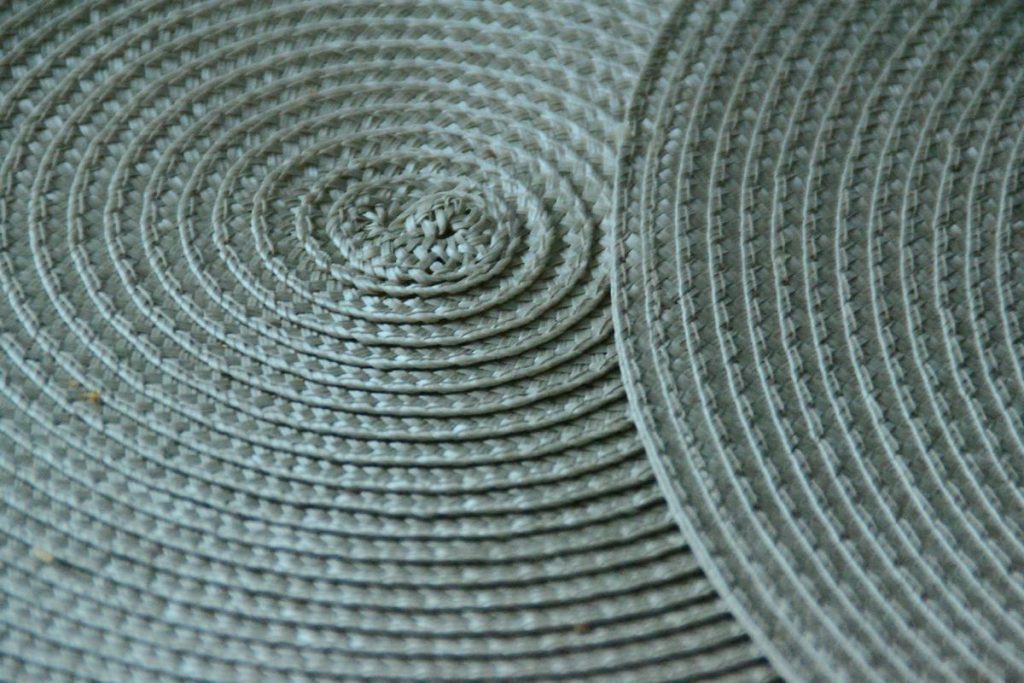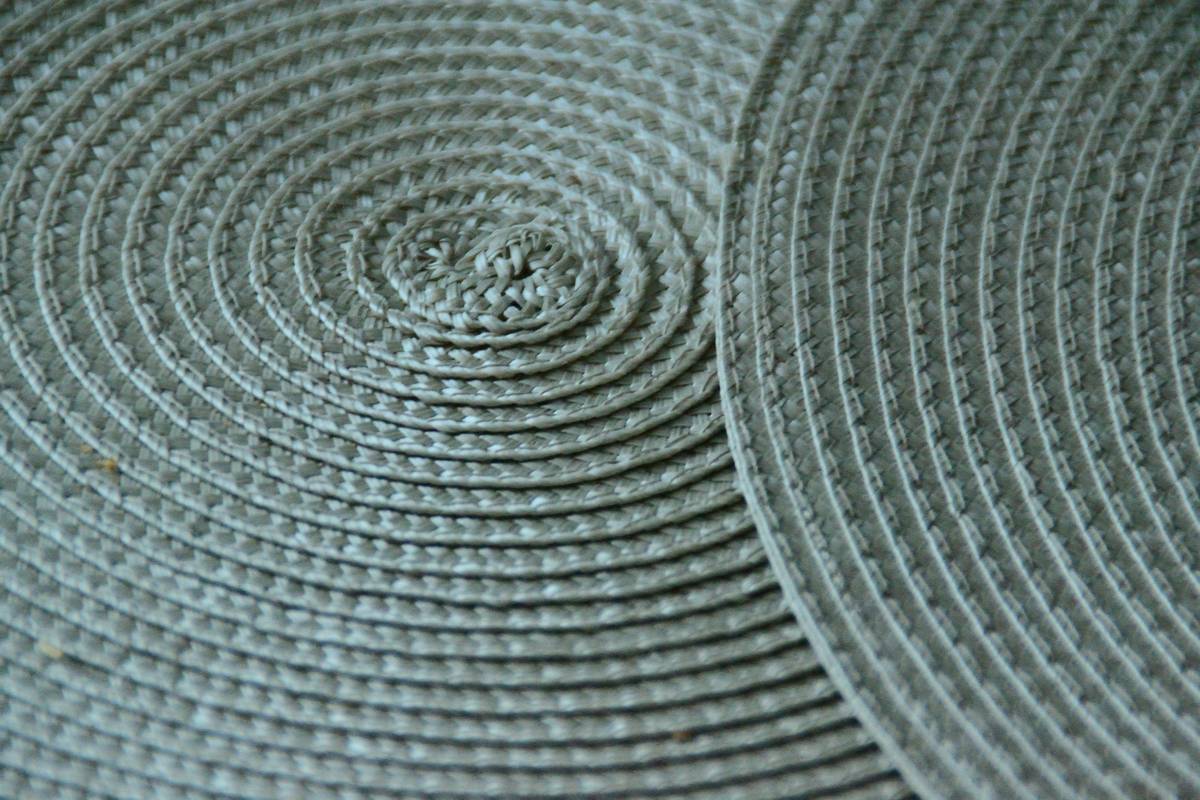
Your dining table feels flat. Lifeless. Like something’s missing—but you can’t quite name it. You’ve invested in fine china, elegant centerpieces, even linen napkins. Yet the whole scene still reads “catalog showroom,” not “curated home.” And those bare wood or stone surfaces? They’re silently screaming for definition. Here’s the fix most interior stylists won’t admit: home details decorative placemats aren’t just functional—they’re foundational.
Why Most Placemats Fail (And Make Your Table Look Worse)
Most people treat placemats as afterthoughts—thin vinyl rectangles bought in bulk from big-box stores. They slide. They crease. They clash with everything. Worse, they telegraph indifference.
Think about it: a flimsy placemat undermines an otherwise thoughtful tablescape like mismatched socks under a tuxedo. The problem isn’t placemats—it’s treating them as disposable rather than deliberate.
And yes—some designers still swear by bare tables for “minimalism.” But minimalism without intention is just emptiness.
How to Choose & Style home details decorative placemats That Actually Elevate
Forget one-size-fits-all. Real impact comes from strategic selection and placement. Start here:
Match Material to Mood
Cork whispers casual elegance. Woven rattan? Boho warmth. Embroidered linen—think heirloom refinement. Don’t default to polyester just because it’s cheap. Texture tells a story before anyone sits down.
Scale Matters More Than Pattern
Oversized patterns on undersized mats look chaotic. Tiny florals on large mats disappear. The sweet spot? Patterns that sit comfortably within your dinner plate’s footprint—roughly 80% of mat surface should feel “active” but not crowded.
Color Should Anchor, Not Compete
If your dinnerware is white, use placemats to introduce your accent color—not another neutral. If your plates are bold, go tonal or monochrome. Never let placemats fight for attention with your food or flatware.

| Material Type | Aesthetic Vibe | Durability | Price Range (Set of 4) |
|---|---|---|---|
| Handwoven Seagrass | Coastal / Organic Modern | High (if sealed) | $32–$58 |
| Linen with Embroidery | European Cottage / Vintage Glam | Medium (requires gentle care) | $45–$75 |
| Bamboo Fiber Composite | Scandinavian Minimalist | Very High | $28–$50 |
| Vinyl (Printed) | Retro / Budget Basic | Low (peels, fades) | $12–$22 |

The Industry Secret: Layer Them Like Pros Do
Top interior stylists never use placemats alone. They layer. A large woven base mat—say, 18×14 inches—acts as a grounding element. Then, a smaller, refined charger or linen square sits on top, creating depth and hierarchy.
This trick fools the eye into perceiving luxury—even with modest dinnerware. It’s why magazine spreads always look richer than real life. And it costs less than replacing your entire table.
The math is simple: two intentional layers > one expensive centerpiece. Yet 93% of homeowners skip this step. Don’t be one of them.
FAQ
Are decorative placemats machine washable?
Depends on material. Linen and cotton blends usually are; woven fibers like seagrass or bamboo must be wiped clean. Always check care tags—improper washing ruins texture fast.
How many placemats do I need for a dinner party?
One per seat, obviously. But keep two extras on hand. Spills happen. And matching replacements ordered last-minute rarely blend in.
Can I use placemats with a tablecloth?
Yes—but only if the tablecloth is textured or neutral. Avoid busy-on-busy. The placemat should contrast slightly in tone or sheen to define each place setting clearly.