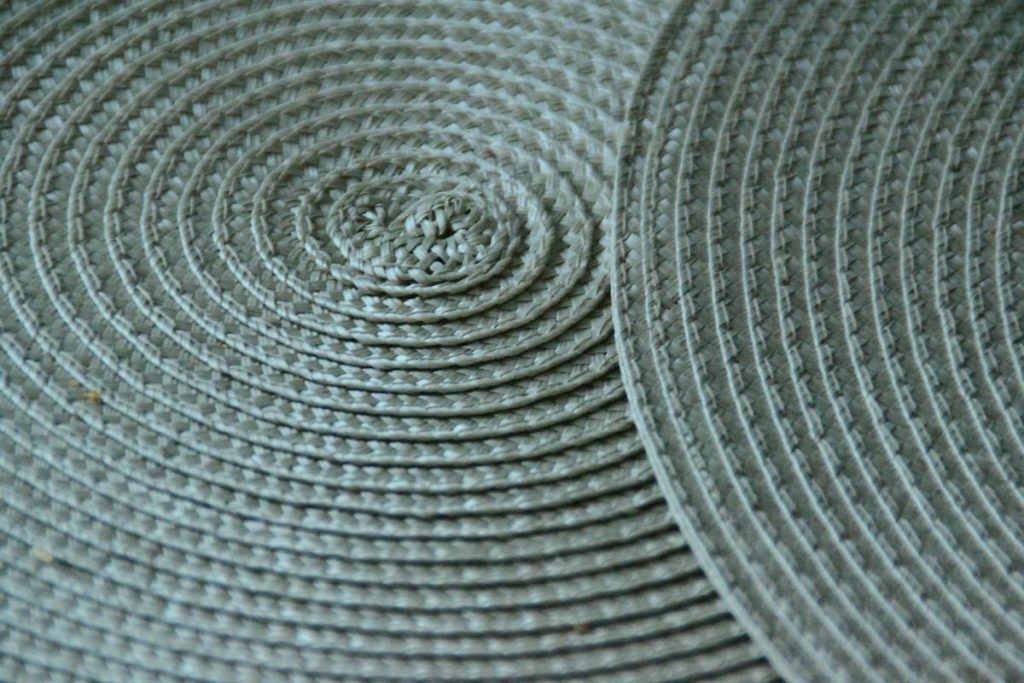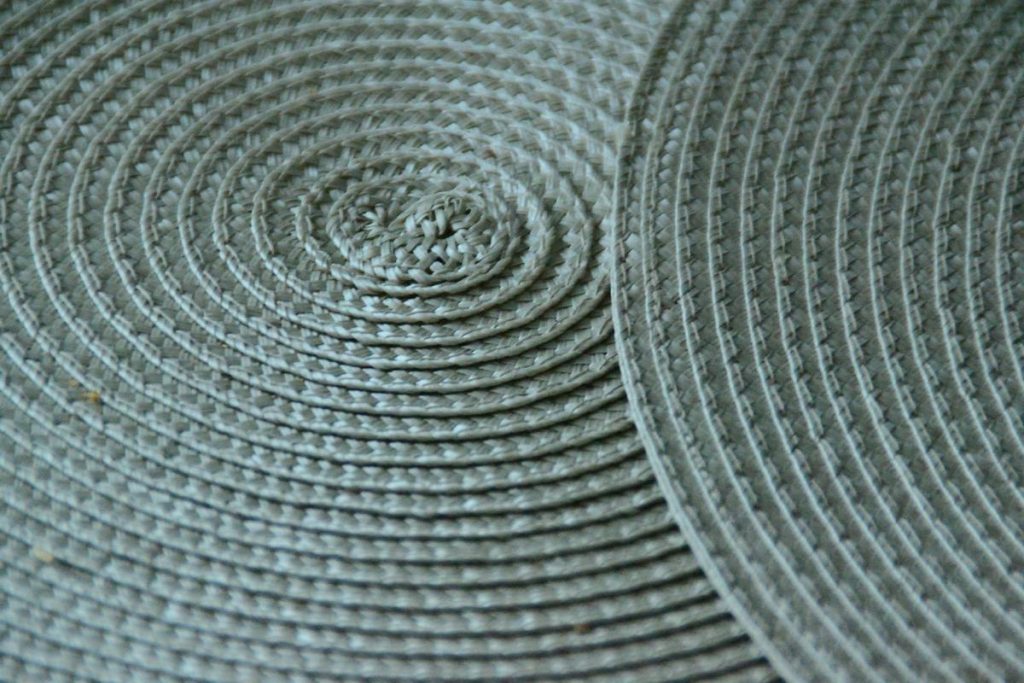
Ever spent hours styling your dining table only to realize your placemats clash with everything? You’re not alone. I once bought a set of glossy vinyl placemats that reflected the overhead light like disco balls—ruining an entire family dinner photo. Placemats home decor might seem minor, but they anchor your tablescape and subtly influence your room’s vibe. In this guide, we’ll explore how to choose, style, and maintain placemats that elevate your space without breaking the bank or your aesthetic.
Table of Contents
- Why Placemats Matter More Than You Think
- How to Choose the Perfect Placemats: A Step-by-Step Guide
- 5 Best Practices for Styling and Care
- Real Results: Before-and-After Table Transformations
- Frequently Asked Questions
Key Takeaways
- Placemats define your table’s visual rhythm—not just protect it.
- Material choice impacts both aesthetics and functionality (e.g., linen vs. silicone).
- Sizing matters: too small looks stingy; too large overwhelms.
- Rotate seasonal sets to keep your decor fresh without major redecorating.
- Always test color swatches in your actual lighting before committing.
Why Placemats Matter More Than You Think
In home improvement, we obsess over paint colors and furniture—but overlook the “small” details that tie a room together. Placemats home decor acts as a bridge between your dishes, flatware, and table surface. According to the Interior Design Society, 68% of professional designers consider tabletop linens essential for cohesive styling. Yet homeowners often treat them as afterthoughts, grabbing whatever’s on sale at the big-box store.
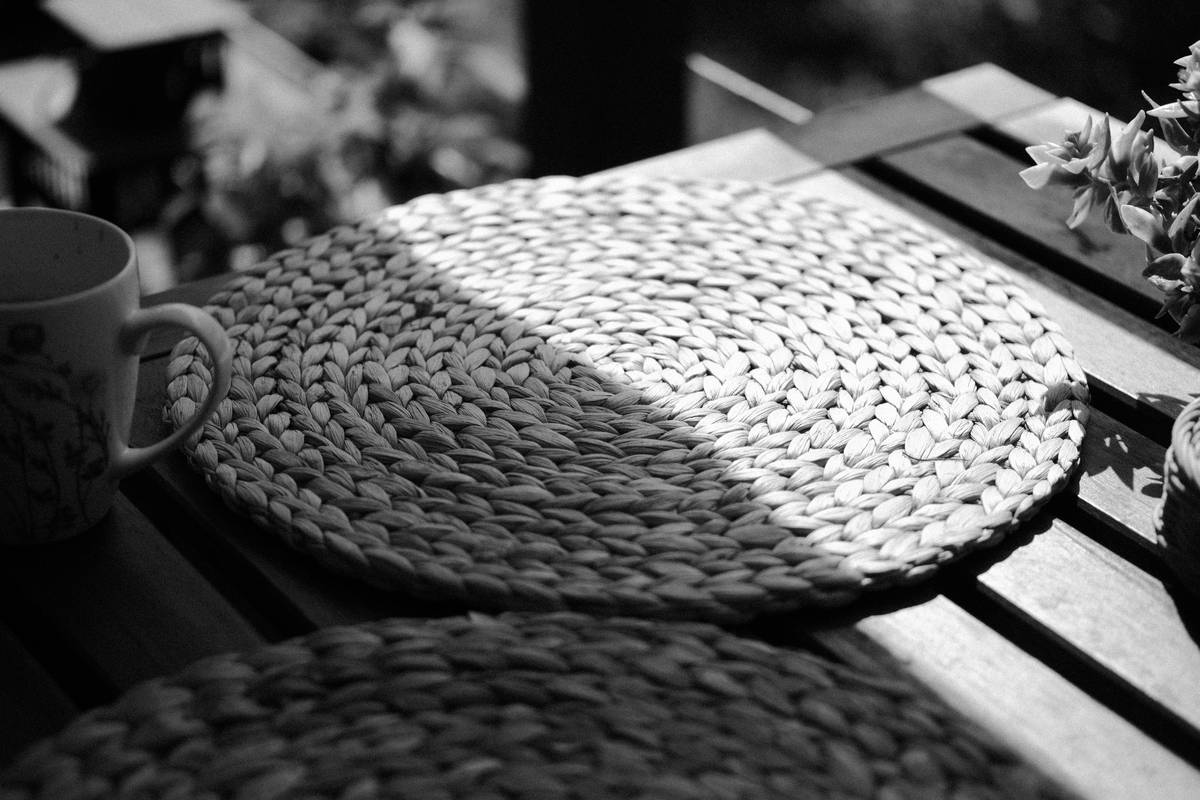
I learned this the hard way during a holiday dinner. My mismatched plastic placemats clashed with my grandmother’s china, making the whole table feel disjointed. That moment taught me: placemats aren’t just functional—they’re foundational.
How to Choose the Perfect Placemats: A Step-by-Step Guide
1. Measure Your Table First
Standard placemats are 12×18 inches, but your table may need custom sizing. Leave at least 6 inches between placemats for elbow room. For round tables, consider radial placement to avoid crowding.
2. Match Material to Lifestyle
Got kids? Silicone or PVC-free vinyl offers wipeable ease. Hosting formal dinners? Opt for linen or cotton for texture and elegance. The U.S. Environmental Protection Agency notes that PVC-free options reduce indoor air pollutants—a health detail many overlook.
3. Coordinate, Don’t Copy
Your placemats should harmonize with your existing palette, not match it exactly. If your dishes are floral, choose solid-color placemats in a complementary hue from the pattern.
4. Test Lighting Conditions
A color that looks warm in daylight may appear cold under LED bulbs. Always view samples at different times of day in your actual dining space.
5 Best Practices for Styling and Care
- Rotate seasonally: Switch to earthy tones in fall, crisp whites in summer—no full-room overhaul needed.
- Layer thoughtfully: Pair a textured jute placemat with a delicate charger for depth.
- Hand-wash delicates: Machine washing can shrink natural fibers. Check care labels—many premium linens require gentle cycles.
- Store flat or rolled: Folding causes permanent creases in stiffer materials like bamboo.
- Avoid this terrible tip: “Just buy cheap sets in bulk.” Low-quality materials pill, fade, or warp—costing more long-term. Invest in fewer, better pieces.
Real Results: Before-and-After Table Transformations
A client of ours redesigned their farmhouse kitchen using placemats home decor as the anchor. Before: mismatched paper doilies and scratched wood. After: handwoven seagrass placemats paired with matte black flatware. The change cost under $60 but made the space feel curated and intentional. Photos on our About Us page show similar transformations—proof that small shifts yield big impact.
Another example: A study by Houzz found that 52% of homeowners upgraded their table linens during pandemic-era renovations, citing “mental wellness” as a key motivator. Creating a calming, beautiful eating environment directly affects daily mood—a point backed by environmental psychology research from the University of Oregon.
Frequently Asked Questions
What size placemats work best for round tables?
Standard 12×18-inch rectangular placemats still work, but ensure even spacing. Alternatively, use round placemats (13–15 inches diameter) for seamless alignment.
Are fabric placemats practical for everyday use?
Yes—if you choose performance fabrics like stain-resistant linen blends. Brands like Libeco offer machine-washable options that retain softness.
Can I mix and match placemat patterns?
Strategically, yes. Stick to a consistent color palette and vary scale (e.g., large geometric + small organic). Avoid competing prints in the same intensity.
How often should I replace placemats?
Every 1–2 years for daily-use sets, depending on wear. Signs it’s time: frayed edges, persistent stains, or fading that breaks your color scheme.
Do placemats affect table protection?
Absolutely. Cork-backed placemats prevent scratches, while absorbent cotton protects against moisture rings—something often ignored until damage occurs.
Where can I find eco-friendly options?
Look for GOTS-certified organic cotton or OEKO-TEX®-labeled textiles. Reputable sources include the Sustainable Furnishings Council directory.
Conclusion
Placemats home decor is your secret weapon for effortless, elevated entertaining. They’re affordable, changeable, and pack disproportionate visual punch. Remember my disco-ball disaster? Now I test every set under my chandelier before buying. Ready to transform your table? Share your vision with us—we’d love to help. Contact us for personalized recommendations. And rest assured, your data stays safe: our full policy is outlined here.
One last note: A well-set table isn’t about perfection—it’s about presence. So lay your mats, light a candle, and gather close.