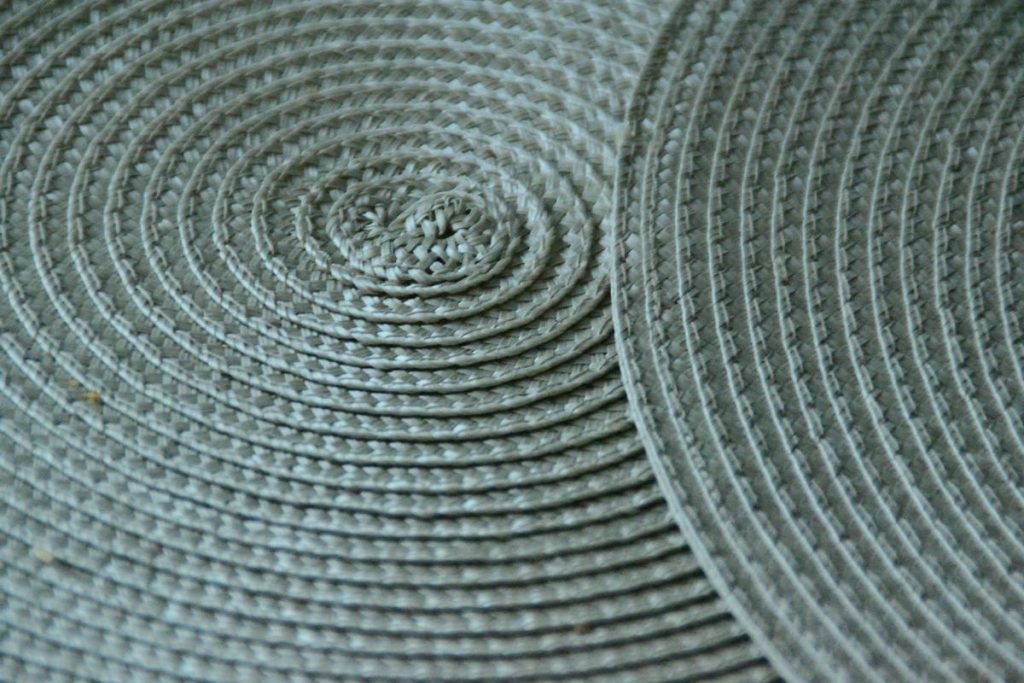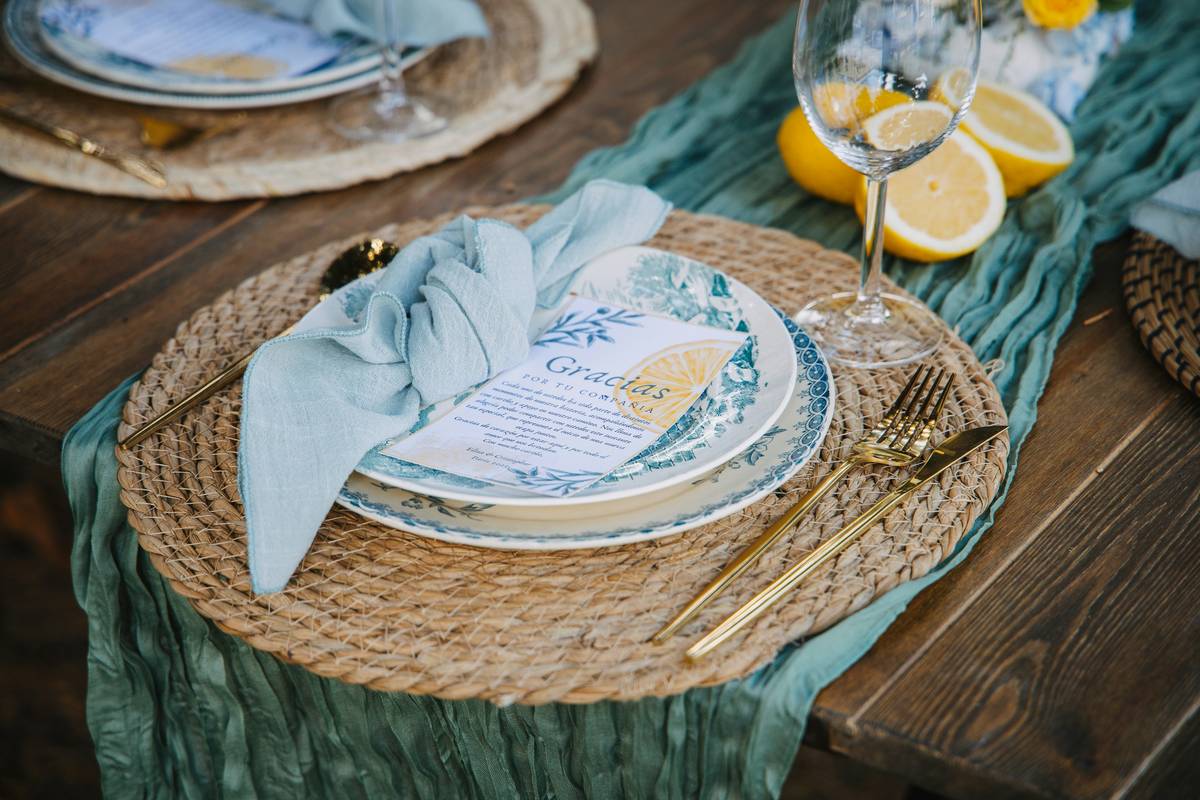
Your dining table looks tired. Same plates, same napkins, same dull vibe—no matter how hard you scrub or rearrange. Guests notice. You feel it too. But here’s the solution most overlook: placemats for table decoration aren’t just practical—they’re the fastest visual upgrade your table will ever get.
Why Most Placemats Fail as Decor (And Make Tables Look Worse)
People buy placemats thinking “protection = done.” Wrong. A cheap vinyl rectangle under a porcelain plate screams afterthought—not intention. And mismatched textures? They clash with your flatware, throw off lighting reflections, and kill cohesion. Worst of all: wrinkled fabric mats that look like laundry left out overnight.
Think about it. If your placemat doesn’t complement your dinnerware’s undertone—warm ivory vs. cool white—you’ve already lost harmony before the first course.
How to Choose & Style Placemats That Elevate Your Entire Tablescape
The right placemat isn’t just placed—it’s curated. Follow this three-step method professionals use (but rarely share).
Match Material to Mood
Want rustic charm? Go linen or woven seagrass. Craving modern minimalism? Try matte-finish silicone or stone-textured resin. Formal dinner? Velvet-backed cork adds subtle luxury without overwhelming. Never default to plastic unless you’re hosting a kids’ paint party.
Scale With Your Table Size
Oversized placemats on a petite bistro table look drowning. Tiny rounds on a 90-inch farmhouse table vanish. Rule of thumb: leave at least 6 inches between placemat edge and table edge on all sides. Measure twice—style once.
Layer With Intention
Placemats shine when layered over a neutral runner or bare wood—but never atop busy tablecloths. That’s visual noise. And skip matching placemats to napkins exactly. Instead, pull one accent color from your centerpiece into the mat’s border or weave.
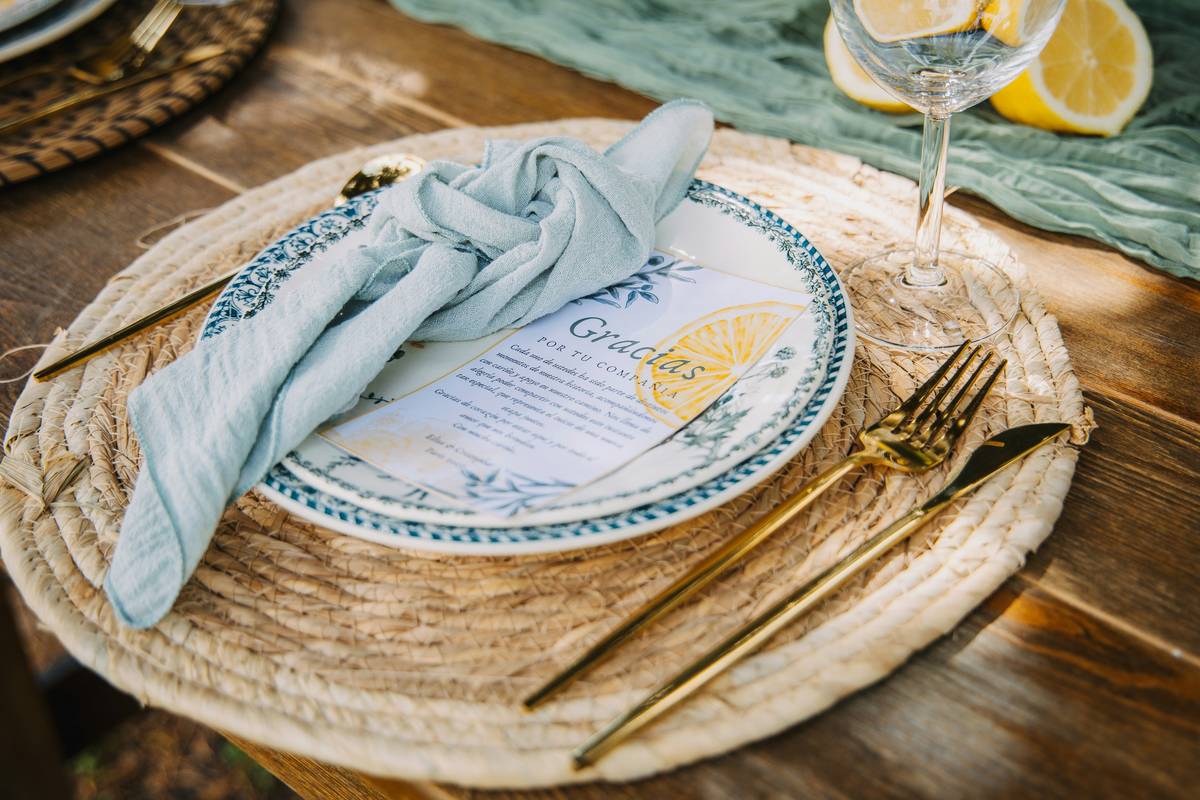
| Material Type | Aesthetic Vibe | Maintenance Level | Price Range (per set of 4) |
|---|---|---|---|
| Woven Jute/Seagrass | Boho, Coastal, Rustic | High (shed fibers, not stain-resistant) | $18–$35 |
| Linen Blend | Scandi, Farmhouse, Organic Modern | Medium (wrinkles easily but machine-washable) | $24–$48 |
| Silicone (Textured) | Contemporary, Minimalist, Kid-Friendly | Low (wipe clean, heat-resistant) | $20–$40 |
| Cork-Velvet Hybrid | Luxury, Eclectic, Quietly Opulent | Medium (spot clean only, avoid moisture) | $38–$70 |
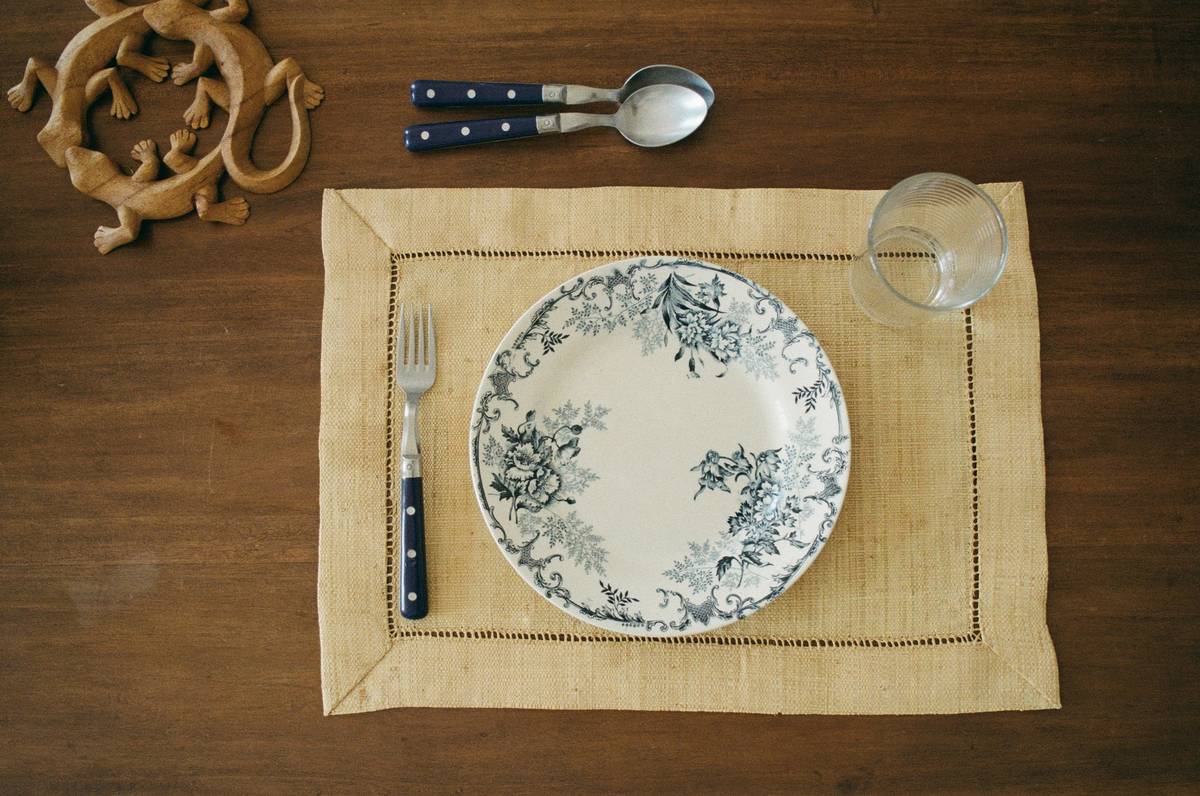
The Industry Secret: Placemats Should Disappear (Visually)
Top interior stylists don’t want you to notice the placemat. Seriously. Their goal? Create a seamless transition from table surface to plate—so the food becomes the star. How? They select mats in tones within 10% brightness of the tabletop. Dark walnut table? Use charcoal-gray linen, not beige. White oak? Try oat or pale clay. This subtle tonal echo tricks the eye into perceiving depth, not clutter. And it costs nothing extra—just attention to value, not just hue.
Here’s the reality: most “decor” placemats shout. The best ones whisper.
Frequently Asked Questions
Can I use placemats for table decoration on round tables?
Absolutely. Opt for round or square mats—but keep proportions balanced. On a 48-inch round table, 14-inch mats prevent crowding.
Are cloth placemats practical for everyday use?
Yes—if you choose performance blends (like linen-cotton with stain guard). Wash weekly. Avoid 100% untreated cotton; it yellows fast.
Do placemats need to match the table runner?
Not at all. In fact, contrast works better. Let the runner anchor the color story, and use placemats to introduce texture—not another pattern.