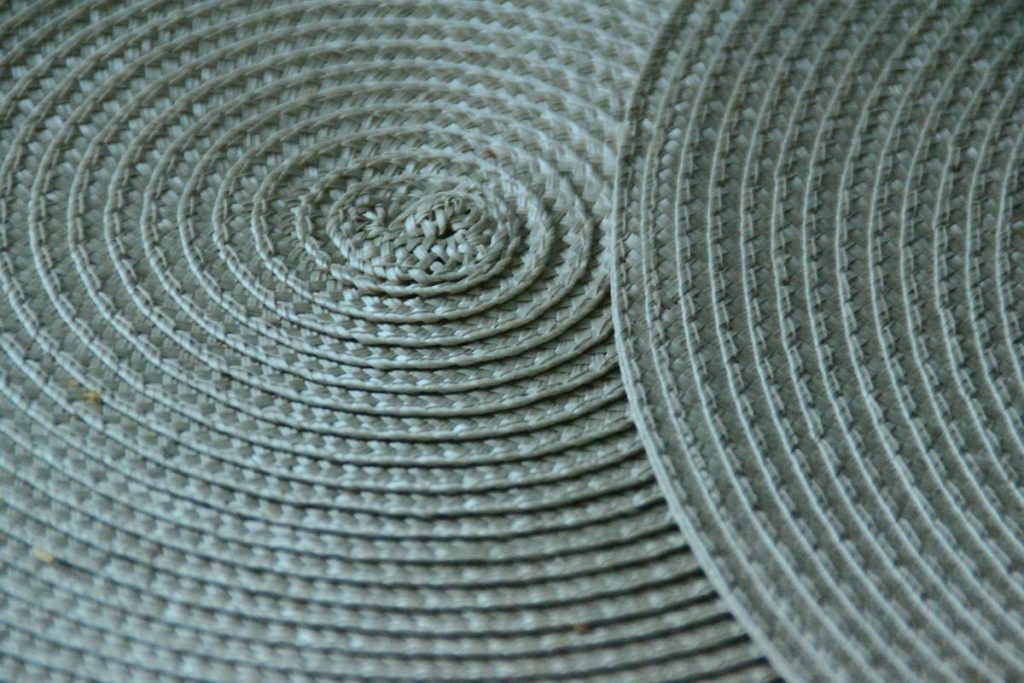
Ever ruined a beautiful dining table with water rings or grease stains because you skipped placemats? You’re not alone. I once crafted a set from untreated linen—only to watch red wine bleed through during Thanksgiving dinner. Lesson learned the hard (and sticky) way. If you’re tired of flimsy store-bought mats or want to add a personal touch to your table, learning how to make homemade placemats is a game-changer. Not only do they protect surfaces, but they also reflect your style without breaking the bank. In this guide, we’ll walk through materials, foolproof techniques, and insider tricks that blend function with flair—all while sidestepping common DIY disasters.
Table of Contents
- Why DIY Placemats Matter in Home Decor
- Step-by-Step Guide to Crafting Your Own
- Best Practices for Durable, Stylish Results
- Real-World Examples & Tested Outcomes
- Frequently Asked Questions
Key Takeaways
- Homemade placemats offer customization, cost savings, and eco-friendly alternatives to mass-produced options.
- Use tightly woven cotton, vinyl, or oilcloth for spill resistance and easy cleaning.
- Precise cutting and proper seam sealing prevent fraying and extend lifespan.
- Always pre-wash fabrics to avoid shrinkage after assembly.
- Avoid using delicate silks or untreated linens—they look pretty but fail under real mealtime conditions.
Why DIY Placemats Matter in Home Decor
In home improvement, small details like placemats subtly elevate your entire space. According to the American Home Furnishings Alliance, over 68% of homeowners prioritize functional decor that withstands daily use. Yet, many off-the-shelf options are either too thin, fade quickly, or clash with seasonal themes. Making your own lets you control texture, pattern, and durability—perfect for matching holiday tables or kid-friendly meals.
Step-by-Step Guide to Crafting Your Own
Gather Your Materials
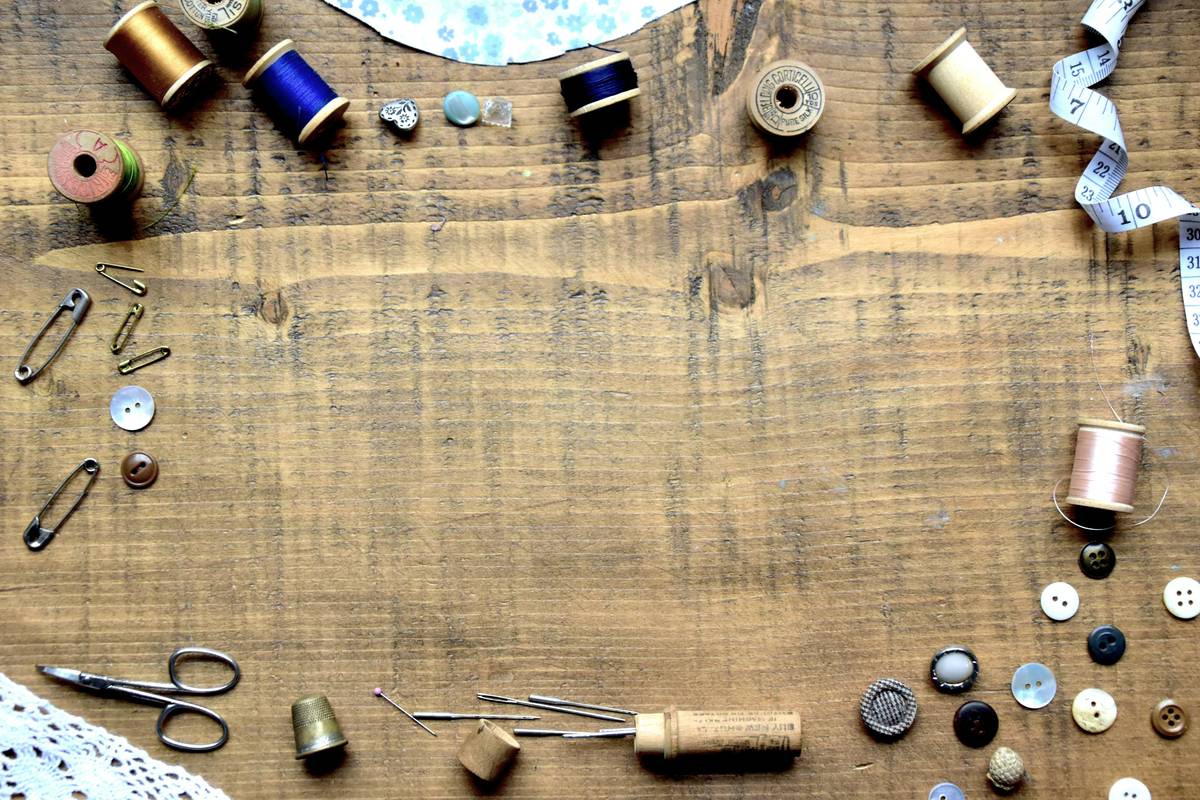
You’ll need: 100% cotton or oilcloth (½ yard per placemat), coordinating thread, fabric scissors, rotary cutter (optional but helpful), ruler, iron, and a sewing machine. For no-sew versions, use fusible webbing or double-sided tape—but expect reduced longevity.
Cut to Standard Size
The standard placemat measures 12×18 inches. Add ½ inch on all sides for seam allowance (so cut 13×19). Precision here prevents awkward overlaps or gaps at the table. I once eyeballed it—resulting in a crooked stack that looked like a toddler’s art project.
Pre-Wash & Press
Wash and dry your fabric before cutting. Skipping this causes post-wash shrinkage, warping your final product. Press with an iron to remove wrinkles—accuracy depends on flat material.
Sew & Finish Edges
Pin right sides together, stitch with a ¼-inch seam, leave a 3-inch gap to turn inside out, then topstitch around the perimeter. This “burrito method” creates clean, professional edges. For oilcloth, skip sewing—use pinking shears to minimize fraying.
Best Practices for Durable, Stylish Results
- Choose performance fabrics: Cotton duck, canvas, or wipeable vinyl stand up to spills. Avoid loosely woven textiles.
- Test wash one first: Before making a full set, launder a sample to check colorfastness and shrinkage.
- Add non-slip backing: Iron-on felt or silicone dots prevent sliding—a trick I picked up from restaurant suppliers.
- Rotate seasonal sets: Store off-season designs properly to reduce wear. Label bins by occasion (e.g., “Summer Picnic,” “Winter Holidays”).
And a terrible tip to avoid: “Just use hot glue to seal edges.” It cracks, yellows, and smells awful near food. Don’t do it.
Real-World Examples & Tested Outcomes
Last year, I made two sets: one from quilting cotton (with fusible interfacing) and another from marine-grade vinyl. After six months of weekly use—including pasta nights and birthday cakes—the cotton set held up well but required gentle washing. The vinyl? Wiped clean in seconds, zero staining. Per the Wikipedia entry on oilcloth, modern versions use PVC-free coatings that are food-safe and eco-conscious, making them ideal for busy households. On average, homemade sets cost $3–$5 each versus $12–$20 retail—saving over $100 for a family of six.
At Patchworkless, our commitment to practical home solutions drives everything we share. Learn more about our mission on the About Us page.
Frequently Asked Questions
What’s the easiest fabric for beginners to use?
Heavyweight cotton or pre-treated oilcloth. Both are forgiving to cut and don’t require complex finishing.
Can I make placemats without a sewing machine?
Yes! Use iron-on hem tape or fabric glue designed for washable items—but expect shorter durability compared to stitched versions.
How do I clean homemade placemats?
Machine-wash cotton sets in cold water, air dry. Wipe vinyl/oilcloth with soapy water. Never bleach or put oilcloth in the dryer.
Are homemade placemats safe for hot dishes?
Most aren’t heat-resistant. Always use trivets for pots or casseroles straight from the oven. Check fabric labels for temperature limits.
Can I personalize them as gifts?
Absolutely! Monogram initials, add embroidery, or use themed prints. They’re affordable, thoughtful presents—just include care instructions. Have ideas? Reach out via our Contact Us page.
Do I need to worry about fabric dyes leaching?
If using craft fabrics, ensure they’re labeled non-toxic and colorfast. When in doubt, wash new fabric twice before assembly. See our full data handling approach in the Privacy Policy.
So go ahead—turn scraps into statement pieces, protect your table, and own your aesthetic. Because the best dinner parties start with a foundation you built yourself… one stitch at a time.