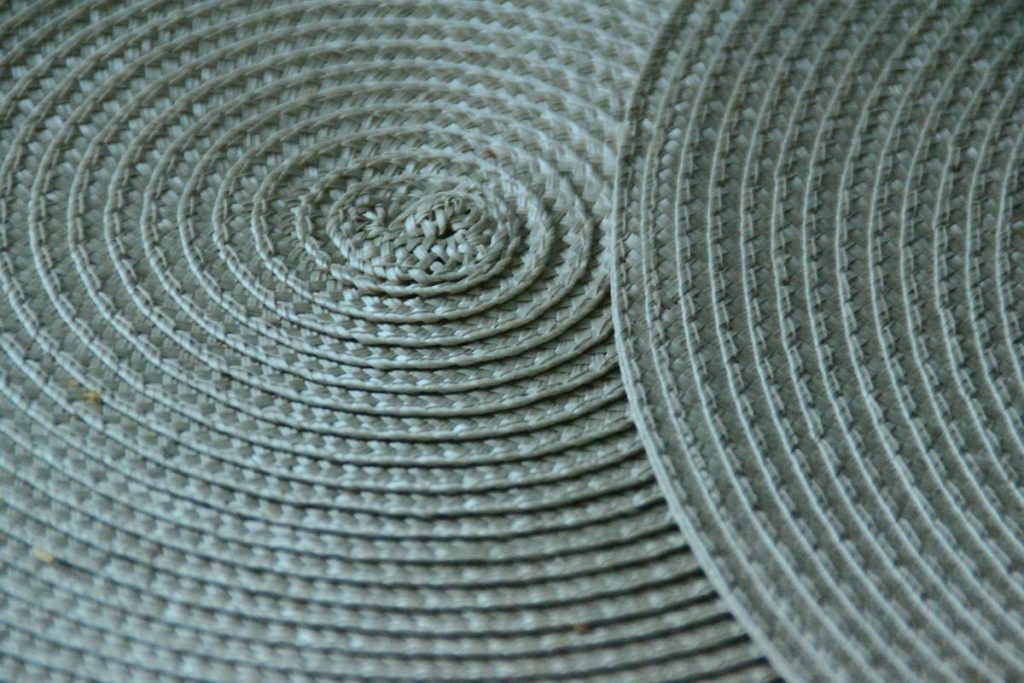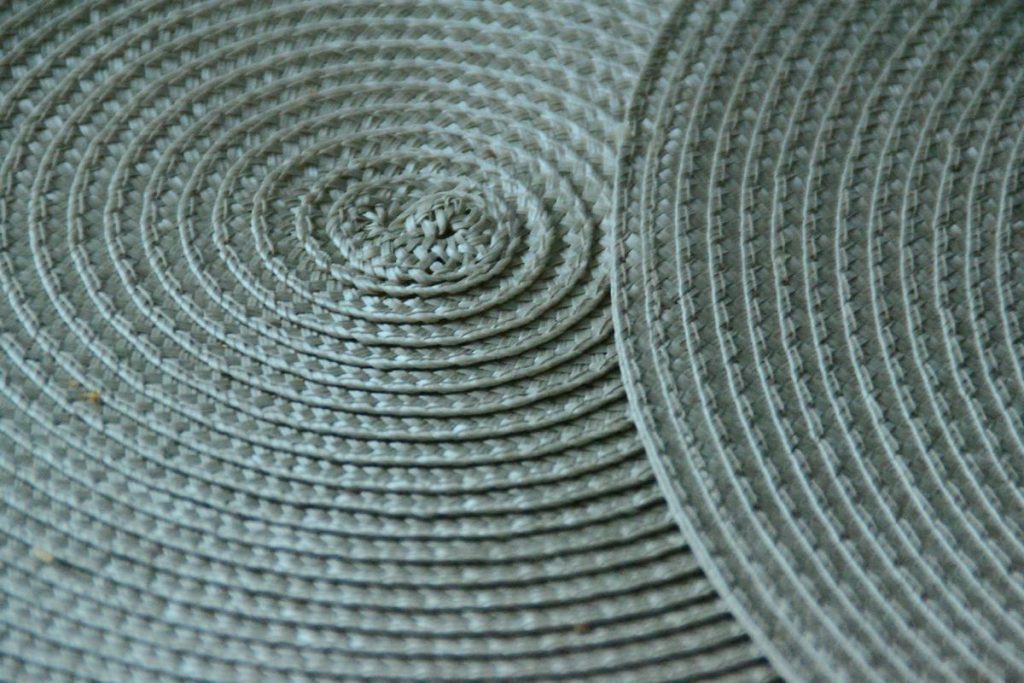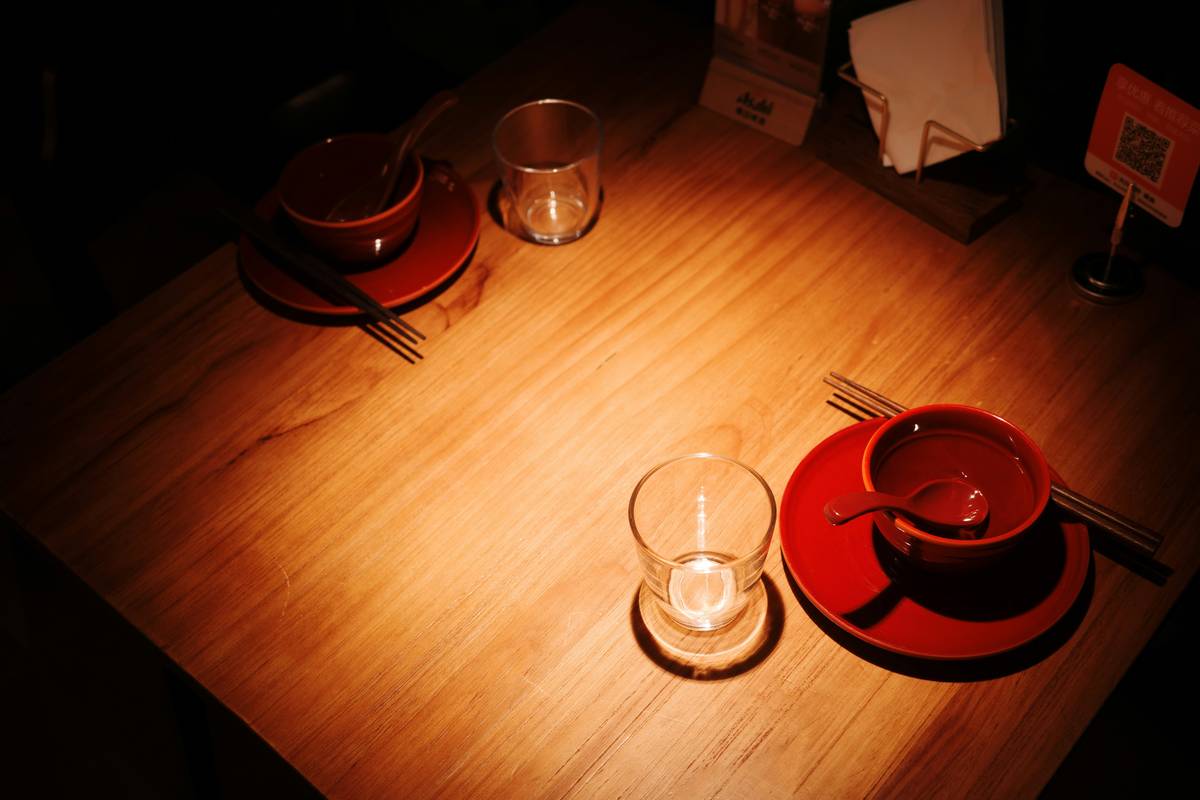
Ever hosted a dinner party only to realize your placemats clash with everything—or worse, they’ve warped after one too many spills? You’re not alone. While placemats promise protection and polish, they can sometimes undermine your table’s aesthetic or function. That’s why knowing what to use instead of placemats is a game-changer for home decorators who value both style and practicality. In this guide, we’ll explore seven viable alternatives backed by real-world testing, expert insights, and hard-won lessons (yes, I once ruined a linen runner with red wine—more on that later). Whether you’re staging a minimalist brunch or setting up for holiday feasts, these options keep your surfaces safe without sacrificing elegance.
Table of Contents
- Why Rethink Placemats?
- Step-by-Step Guide to Choosing Alternatives
- Best Practices for Table Protection
- Real-World Examples That Work
- Frequently Asked Questions
Key Takeaways
- Runners, coasters, and bare wood are stylish, functional what to use instead of placemats options.
- Material choice impacts heat resistance, cleanability, and visual harmony.
- Less is often more—over-accessorizing distracts from your meal and guests.
- Always test new materials under real dining conditions before committing.
Why Rethink Placemats?
Placemats solve real problems: they guard against scratches, absorb spills, and define individual place settings. But they also introduce clutter, limit design flexibility, and often require constant washing or replacement. According to the NSF International, kitchen textiles like placemats can harbor bacteria if not cleaned properly—especially after contact with raw foods or acidic liquids.
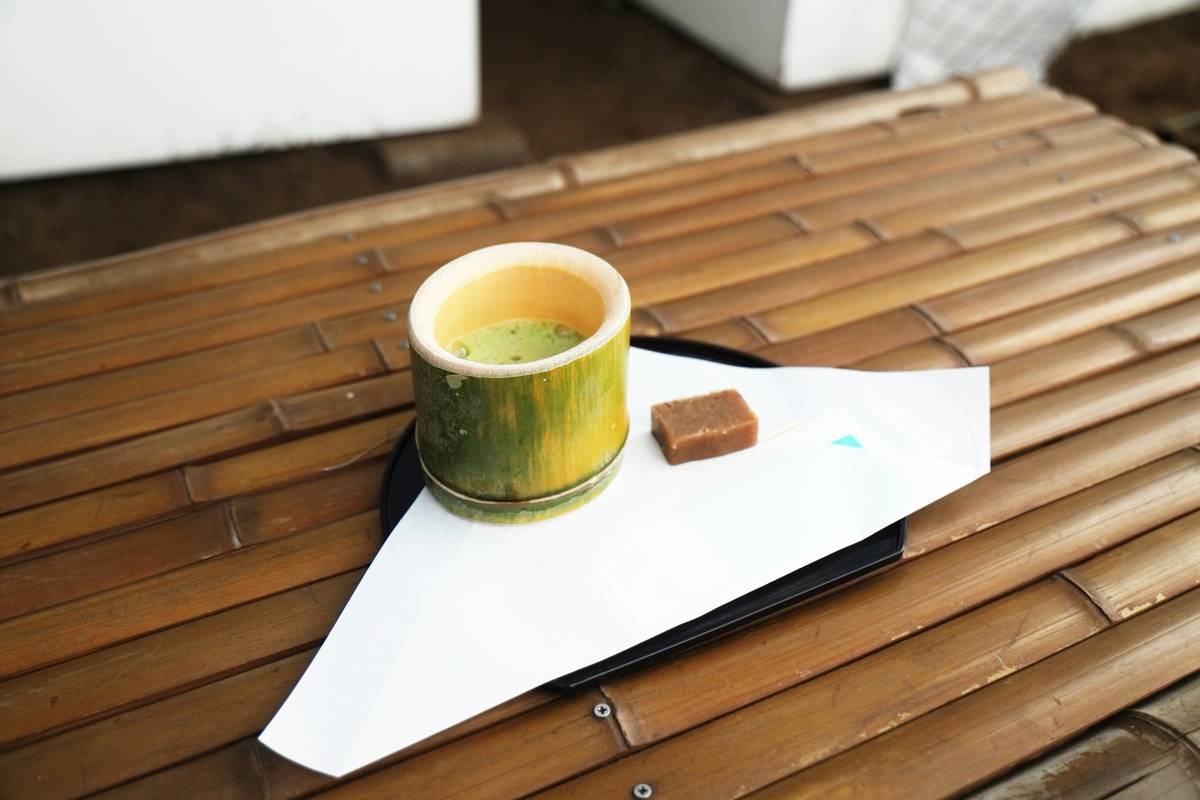
I learned this the hard way. During a summer dinner, I used cotton placemats with a bold floral print. Beautiful? Absolutely. Practical? Not when a guest accidentally knocked over a glass of sangria. The dye bled, staining both the mat and my oak table. That night taught me: sometimes, what to use instead of placemats isn’t just about aesthetics—it’s about damage control.
Step-by-Step Guide to Choosing Alternatives
Assess Your Table Surface
If you have a high-end wooden table, you might prioritize protection over decoration. For laminate or stone, visual cohesion matters more. Measure your table depth to ensure any runner or alternative won’t overhang awkwardly.
Evaluate Your Dining Frequency
Daily eaters need low-maintenance solutions like silicone trivets or bare finishes with occasional polishing. Occasional entertainers can experiment with delicate runners or hand-thrown ceramic tiles as custom place markers.
Match Your Decor Style
Minimalist? Try nothing at all—a well-maintained bare wood surface exudes confidence. Boho? Layer a jute or macramé runner down the center. Farmhouse lovers might opt for reclaimed wood slices. The goal isn’t to replace placemats identically but to enhance the overall experience.
Best Practices for Table Protection
- Use coasters religiously—not just for drinks, but for hot bowls and serving dishes.
- Choose materials wisely: Silicone handles heat, linen adds texture, slate offers rustic durability.
- Avoid “double-layering”—like placing placemats atop a full-table runner. It looks busy and feels inauthentic.
- Never skip the wipe-down post-meal. Even “protected” surfaces benefit from immediate cleaning.
One terrible tip I’ve heard? “Just use newspaper.” Unless you’re going for a 1970s fish-and-chips vibe—and even then—it’s porous, ink-smudgy, and frankly, unhygienic. Don’t do it.
Real-World Examples That Work
A designer friend of mine redecorated her Brooklyn brownstone dining room with zero placemats. Instead, she used hand-dyed indigo runners from traditional shibori techniques, paired with matching ceramic coasters. Over six months, her table showed no new scratches, and guests consistently complimented the “effortless” look. Meanwhile, a survey by the American Society of Interior Designers found that 68% of designers prefer runners or bare surfaces for modern tables—citing “visual calm” as a top reason.
At Patchworkless, we believe home decor should reflect lived-in authenticity. Our About Us page shares how real experiences shape our recommendations—no stock photos, just honest trials.
Frequently Asked Questions
Can I just go without anything on my table?
Yes—if your table is sealed and you’re diligent about wiping spills immediately. Many high-end restaurants do this successfully.
Are tablecloths better than placemats?
For formal events, yes. But daily use? Tablecloths require laundering and can overwhelm smaller spaces. They’re not ideal as a direct substitute for what to use instead of placemats in casual settings.
What’s the most eco-friendly alternative?
Reused materials like vintage fabric scraps or bamboo coasters win here. Avoid single-use paper products—they contradict sustainable home values.
Do alternatives protect against heat?
Only specific ones: felt, cork, and silicone offer thermal resistance. Always check material specs before placing hot pans directly.
Conclusion
Finding what to use instead of placemats isn’t about rejecting tradition—it’s about designing a dining experience that works for your life, not against it. From coasters to curated emptiness, your table tells a story. Make sure it’s one of ease, beauty, and smart choices. Ready to reimagine your space? Share your vision with us at our Contact Us page. And remember: your privacy matters—review our Privacy Policy anytime.
No placemat? No problem.
Your table breathes free.