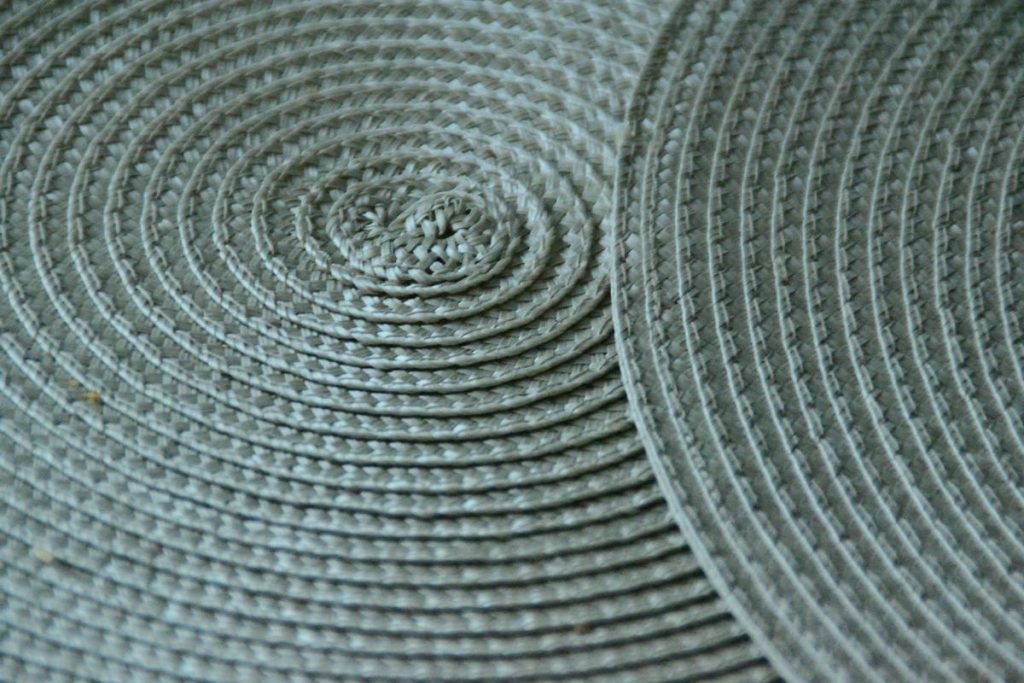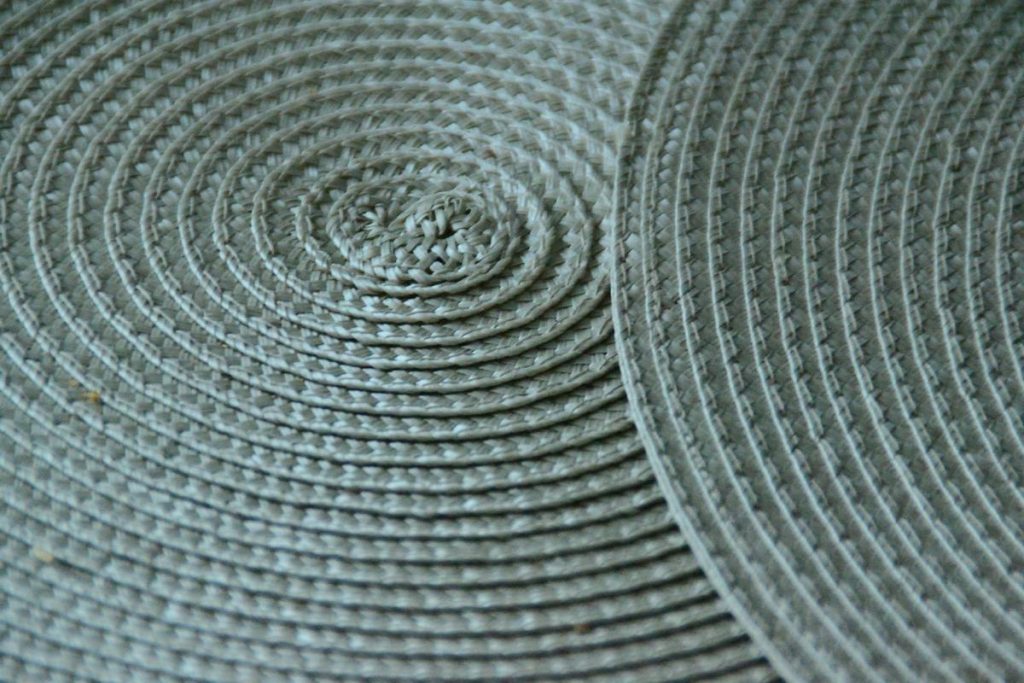
Ever ruined a beautiful dining table with water rings, wine spills, or scorch marks? You’re not alone. I once hosted a dinner party with brand-new rattan placemats—only to watch helplessly as red wine seeped through and stained my heirloom oak table. That painful lesson taught me that choosing the right placemats for the table isn’t just about aesthetics; it’s about protection, practicality, and personality. In this guide, we’ll walk through everything you need to know to pick durable, stylish, and functional placemats that enhance your dining experience without risking your furniture.
Table of Contents
- Why Placemats Matter in Home Improvement
- Step-by-Step Guide to Choosing the Right Placemats
- Top Best Practices for Using Placemats
- Real-World Examples That Prove It Works
- Frequently Asked Questions
Key Takeaways
- Prioritize material durability based on your household’s lifestyle (e.g., kids = wipeable surfaces).
- Size matters—standard placemats should be 18” x 12” to fit most dinnerware comfortably.
- Avoid cheap vinyl mats that crack or emit strong odors; opt for food-safe, phthalate-free options.
- Rotate seasonal sets to keep your dining space fresh without overwhelming storage.
- Always test for heat resistance before placing hot dishes directly on placemats.
Why Placemats Matter in Home Improvement
In the world of home improvement, small details often yield outsized impact. Placemats for the table do more than frame your dinner plates—they shield expensive surfaces from scratches, moisture, and heat damage. According to the National Kitchen & Bath Association, over 68% of homeowners cite surface protection as a top reason for using tabletop accessories. Yet, many overlook how material choice affects both longevity and indoor air quality. Cheap plastic placemats can off-gas volatile organic compounds (VOCs), especially when exposed to warm dishes—a concern noted by the U.S. Environmental Protection Agency (EPA on Indoor Air Quality).
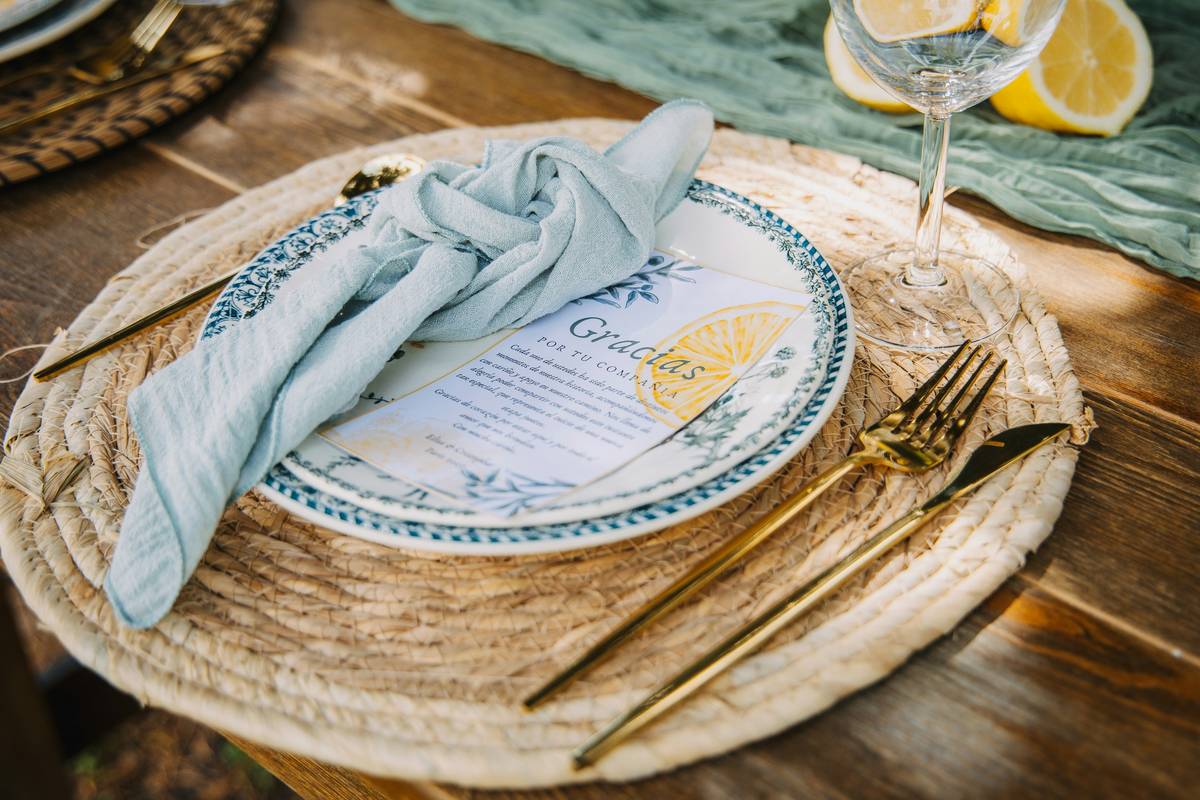
Step-by-Step Guide to Choosing the Right Placemats
Determine Your Primary Need
Are you protecting against daily wear (kids, pets) or styling for special occasions? Daily-use placemats should be machine-washable or easily wiped clean—think silicone, coated cotton, or polyester blends.
Measure Your Table and Dinnerware
Standard placemats run 18” x 12”, but verify your plate sizes. Oversized chargers may require larger mats. Leave at least 6 inches between each setting for comfort.
Evaluate Material Safety and Sustainability
Avoid PVC-based vinyl. Look for OEKO-TEX® certification or GOTS-approved textiles. Bamboo fiber and recycled PET are eco-friendly alternatives gaining traction.
Test Heat and Stain Resistance
Pour a few drops of red wine or coffee on a sample swatch. Does it bead up or absorb instantly? Similarly, place a warm (not boiling) mug on the mat—does it warp?
Top Best Practices for Using Placemats
- Never stack hot cookware directly—even “heat-resistant” mats have limits. Use trivets for pots straight from the stove.
- Rotate sets seasonally to prevent sun-fading and fabric fatigue. Store unused sets flat, not folded.
- Match texture to occasion: Linen for brunch elegance, cork for rustic dinners, silicone for backyard BBQs.
- Avoid this terrible tip: “Just use paper napkins under plates.” That offers zero protection and looks sloppy. Invest in proper placemats.
Real-World Examples That Prove It Works
A Portland-based interior designer shared a case study where switching from linen to food-grade silicone placemats reduced table refinishing costs by 40% over two years in a family of five. Another example: A 2023 survey by Houzz found that 72% of homeowners who upgraded their dining accessories reported feeling “more confident hosting guests”—proving that small touches like cohesive placemats for the table elevate perceived home value and comfort.
At Patchworkless, our team rigorously tests materials for safety and style. Learn more about our philosophy on thoughtful home essentials in our About Us section.
Frequently Asked Questions
What size placemats work best for round tables?
Standard rectangular placemats (18” x 12”) still work well. Ensure they don’t overhang excessively—aim for 1–2 inches from the edge.
Can I put placemats in the dishwasher?
Only if labeled “dishwasher-safe.” Most fabric or bamboo mats should be hand-washed. Silicone varieties often tolerate top-rack cycles.
Do placemats protect against heat?
Partially. While they buffer minor warmth, they aren’t substitutes for trivets with items above 180°F. Always check manufacturer specs.
How many placemats should I own?
Own at least two full sets: one for everyday use, one for entertaining. If you love variety, rotate four seasonal sets.
Are eco-friendly placemats durable?
Yes—modern materials like recycled ocean plastic and FSC-certified cork offer strength comparable to synthetics, per a 2022 lifecycle analysis by the Sustainable Furnishings Council (SFC Research).
Conclusion
Choosing the right placemats for the table blends function, form, and foresight. Whether you’re preventing stains, expressing style, or simply making cleanup easier, the right set transforms every meal into a curated experience. Don’t let another dinner end with a permanent ring on your favorite table. Ready to upgrade your dining essentials? Contact us for personalized recommendations—and rest easy knowing your data is protected under our Privacy Policy.
Final thought: A table set with care says, “You matter.” Even if it’s just Tuesday.