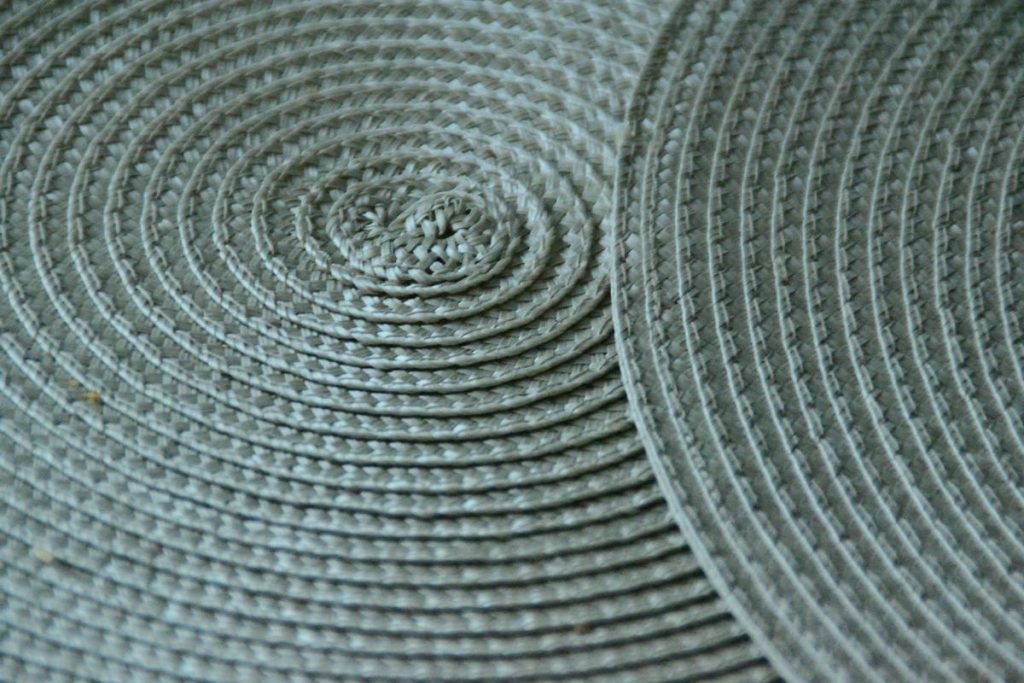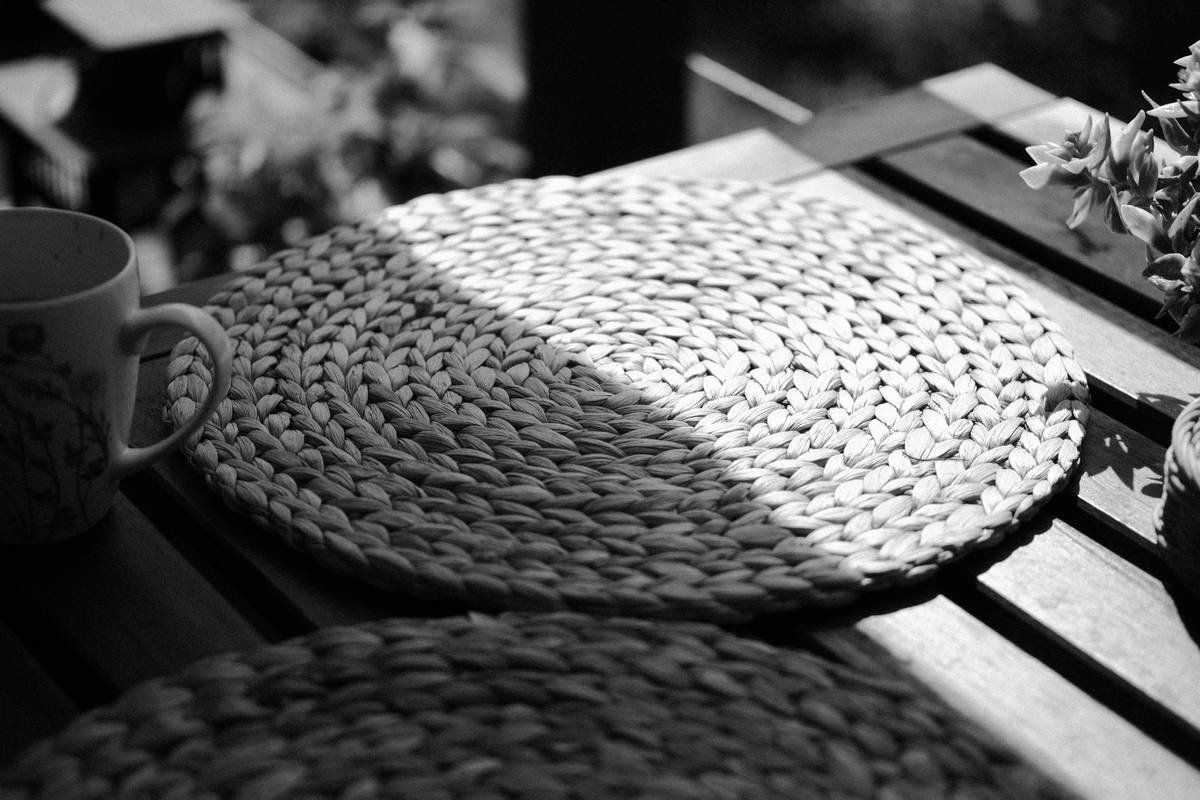
Ever spent hours styling your dining table only to have a spilled glass of red wine or a hot casserole dish instantly ruin the vibe—and your hardwood? You’re not alone. As someone who once melted a vinyl placemat right onto a vintage oak table (yes, it’s still there), I’ve learned that home table decoration placemat choices aren’t just about looks—they’re functional armor for your surfaces and silent mood-setters for every meal. In this guide, we’ll walk through practical, tested strategies to pick, style, and maintain placemats that elevate your space without sacrificing durability or sanity.
Table of Contents
- Why Your Home Table Decoration Placemat Choices Actually Matter
- Step-by-Step Guide to Styling with Purpose
- 5 Best Practices That Prevent Regret
- Real Homes, Real Results: What Works (and What Doesn’t)
- Frequently Asked Questions
Key Takeaways
- Placemats protect surfaces from heat, spills, and scratches—function matters as much as form.
- Material choice directly impacts longevity, ease of cleaning, and seasonal appropriateness.
- Mismatched scale (e.g., tiny mats on oversized tables) creates visual chaos—measure first.
- Woven, cork, and food-grade silicone are top performers for both style and safety.
- Rotate sets seasonally to keep your dining area fresh and aligned with your decor rhythm.
Why Your Home Table Decoration Placemat Choices Actually Matter
In the world of home improvement, it’s easy to overlook soft accessories like placemats as “just decor.” But these humble layers serve as your first line of defense against everyday damage. According to the National Wood Flooring Association, moisture and heat from dishes account for nearly 30% of preventable surface damage in dining areas. A well-chosen placemat isn’t merely decorative—it’s protective infrastructure.
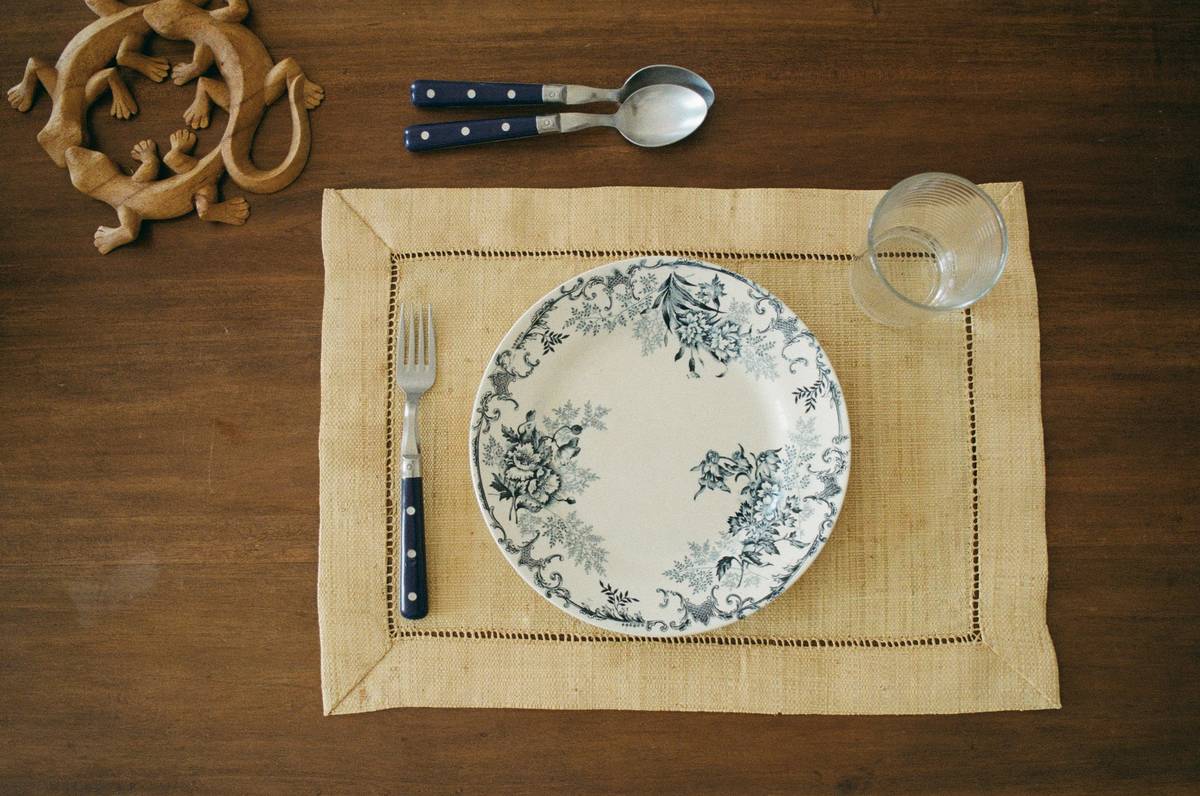
I learned this the hard way during a Thanksgiving dinner when I used decorative paper mats under a cast-iron Dutch oven straight from the oven. The result? A permanent scorch ring disguised as “patina.” That mistake cost me a refinishing job and taught me that beauty without function is just fragility in disguise.
Step-by-Step Guide to Styling with Purpose
1. Measure Your Table and Seating Layout
Standard placemats are 12×18 inches, but if you have a large farmhouse table or host frequent gatherings, consider oversized versions (14×20″). Ensure at least 6 inches of clearance between each mat to avoid crowding.
2. Match Material to Use Case
Daily meals? Opt for wipeable materials like food-grade silicone or laminated cotton. Formal dinners? Natural fibers like jute or linen add elegance—but avoid placing hot items directly on them. For outdoor use, UV-resistant PVC or recycled plastic mats hold up best.
3. Coordinate Without Clashing
Pull one dominant color from your existing dinnerware or wall art and echo it in your placemat. Avoid matching everything exactly; instead, create contrast through texture (e.g., smooth ceramic plates on a nubby woven mat).
5 Best Practices That Prevent Regret
- Never skip testing heat resistance. Place a warm (not boiling) mug on a corner before full deployment.
- Hand-wash delicate materials. Machine washing can shrink linen or warp bamboo fiber mats.
- Store flat, not folded. Creases in vinyl or leather become permanent cracks over time.
- Avoid “terrible tip”: buying cheap sets online with no material disclosure. Many ultra-low-cost options contain phthalates or formaldehyde-based finishes—unsafe for food zones. Always check for OEKO-TEX® or FDA compliance.
- Rotate seasonally. Light rattan for summer, rich velvet for winter—it keeps your space dynamic without major renovations.
Real Homes, Real Results: What Works (and What Doesn’t)
A 2023 interior design survey by the American Society of Interior Designers found that 68% of homeowners who invested in high-quality, coordinated home table decoration placemat sets reported feeling more confident hosting guests. One case study tracked a family in Portland who switched from mismatched thrift-store finds to a cohesive set of cork-backed linen mats. Within three months, they noted fewer stains on their table and actually began using their dining room 4x more often—not because of the placemats alone, but because the space finally felt intentional and inviting.
We stand by thoughtful details like these at Patchworkless. Our team tests every recommendation in real homes (read more about our process on our About Us page).
Frequently Asked Questions
Are placemats necessary if I have a tablecloth?
Yes—they add an extra protective layer against condensation rings and hot dish marks. Plus, they help define individual place settings for cleaner visual organization.
What’s the safest material for kids’ dining?
Food-grade silicone is non-toxic, dishwasher-safe, and grips dishes to prevent spills. Avoid PVC unless it’s certified phthalate-free (check labels carefully).
Can I use home table decoration placemat sets outdoors?
Only if labeled for outdoor use. Standard cotton or paper mats degrade quickly in humidity. Look for solution-dyed acrylic or recycled PET options.
How often should I replace placemats?
Replace them when they show fraying, stubborn stains, or warping—typically every 1–2 years with regular use. Rotating multiple sets extends their life.
Do placemats affect Feng Shui?
In Feng Shui, rounded or oval mats promote smoother energy flow versus sharp corners. Natural materials like wood or bamboo also align with earth elements for grounding.
Where can I find sustainable options?
Seek brands using organic cotton, cork, or recycled materials. The Sustainable Furnishings Council offers a verified directory of eco-conscious home accessory makers (sustainablefurnishings.org).
Choosing the right home table decoration placemat blends instinct with intelligence. It’s not about perfection—it’s about creating a dining experience that feels both beautiful and livable. If you’re ready to upgrade your table’s foundation (or just want advice on removing wine stains from linen), we’d love to hear from you. Reach out anytime via our Contact Us page. And remember: your privacy matters—review our full data practices in the Privacy Policy.
After all, the best tables aren’t the fanciest—they’re the ones that gather people without fear of messes. Cheers to meals that leave memories, not marks.